Air compressors are machines designed to increase the pressure of air and store it for later use. The idea is simple: draw in atmospheric air, compress it into a smaller volume, and release it when power is needed. This concept exists because compressed air is a convenient and flexible way to transmit energy without electricity at the point of use.
Compressed air systems are widely used in manufacturing, construction, healthcare, and workshops. Instead of relying solely on electricity, these systems use pressurized air to power tools, control systems, and machinery.
At their core, air compressors convert mechanical energy into stored energy in the form of pressurized air. This stored energy is then released to perform work, making compressed air a flexible and widely used energy source.
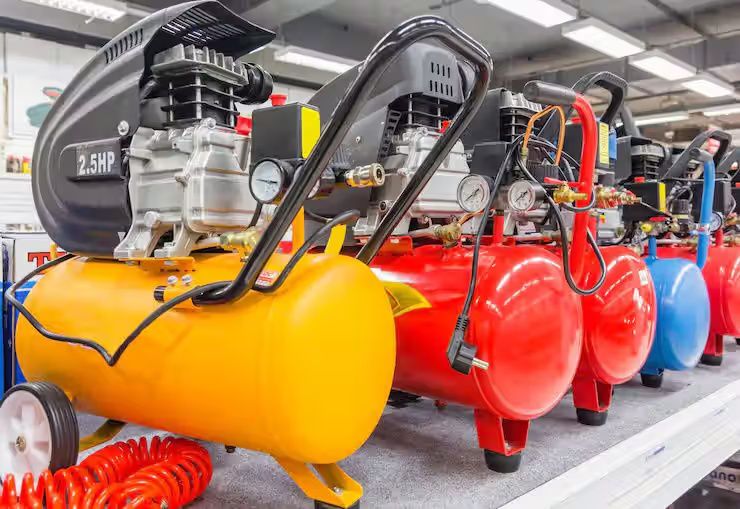
Importance of Compressed Air Systems
Compressed air systems are essential for productivity, safety, and operational efficiency across industries. Their role has expanded with automation and modern manufacturing practices.
Key Reasons Compressed Air Systems Matter
- Reliable power for pneumatic tools and equipment
- Safe operation in environments with electrical risks
- Support for continuous production processes
- Compatibility with automated systems
- Flexibility across different industrial applications
Industries That Depend on Compressed Air
- Manufacturing and automotive
- Food processing and pharmaceuticals
- Construction and agriculture
- Healthcare and medical systems
These systems help solve challenges such as safe power delivery, consistent tool performance, and efficient energy distribution.
Recent Updates and Trends (2024–2025)
Recent developments focus on improving efficiency, monitoring, and sustainability in compressed air systems.
Notable Trends
- Variable speed drive (VSD) compressors for energy efficiency
- Smart sensors and digital monitoring dashboards
- Growth of oil-free compressor technology
- Integration of heat recovery systems
These advancements reduce energy waste, improve system reliability, and support environmental goals.
Laws and Policies Affecting Compressed Air Systems
Compressed air systems are regulated to ensure safe and efficient operation. These regulations focus on pressure safety, workplace conditions, and environmental impact.
Key Regulatory Considerations
- Pressure vessel safety standards
- Workplace noise and safety limits
- Energy efficiency requirements
- Air quality and emissions guidelines
Organizations such as ISO provide global standards for compressor performance and safety. These frameworks guide system design and operation across industries.
Tools and Resources for Compressed Air Systems
Various tools help users design, monitor, and optimize compressed air systems. These resources improve efficiency and system performance.
Common Tools and Resources
- Compressed air calculators for airflow and pressure
- Energy audit tools for system efficiency
- Monitoring dashboards for real-time data
- Technical manuals and design guides
- Maintenance checklists
These tools support better planning, operation, and long-term reliability.
Key Components of a Compressed Air System
Understanding system components helps explain how compressed air systems operate. Each part contributes to air quality and pressure control.
Components Table
| Component | Function |
|---|---|
| Air Intake Filter | Removes dust and particles |
| Compressor Element | Increases air pressure |
| Electric Motor | Provides mechanical energy |
| Receiver Tank | Stores compressed air |
| Dryer | Removes moisture |
| Filters | Improve air quality |
| Distribution Piping | Delivers air to equipment |
How Compressed Air Systems Work
Compressed air systems follow a structured process to generate and deliver pressurized air.
Step-by-Step Process
- Air enters through an intake filter
- The compressor increases air pressure
- Pressurized air is stored in a receiver tank
- Moisture and contaminants are removed
- Air is distributed to tools and systems
Compressor Types Table
| Compressor Type | Working Principle |
|---|---|
| Reciprocating | Uses pistons to compress air |
| Rotary Screw | Uses rotating screws for compression |
| Centrifugal | Uses high-speed impellers |
Each type is suited to different operational requirements.
FAQs: Common Questions About Compressed Air Systems
What is compressed air used for?
It powers tools, supports automation systems, and assists in cleaning and material handling.
How is air pressure measured?
Pressure is measured in units such as PSI or bar, indicating air compression level.
Why is moisture removal important?
Moisture can cause corrosion and reduce efficiency. Dryers and filters help maintain system performance.
What affects system efficiency?
Leaks, incorrect pressure settings, and poor maintenance reduce efficiency.
How long do air compressors last?
With proper maintenance, they can operate reliably for many years depending on usage conditions.
Conclusion
Compressed air systems are a fundamental part of modern industry, providing a flexible and reliable energy source. They support a wide range of applications across multiple sectors.
Advancements in efficiency, monitoring, and sustainability continue to improve their performance. Understanding how these systems work helps users optimize operations, reduce energy use, and maintain long-term reliability.