Bodysuit shapewear refers to a type of body-contouring garment designed to provide support, smooth body lines, and enhance the overall fit of clothing. Unlike traditional undergarments, shapewear bodysuits cover a larger portion of the torso, often extending from the shoulders or bust down to the hips or thighs.
Bodysuit shapewear has evolved from traditional corsets into modern garments made with advanced elastic fabrics. These designs focus on flexibility, breathability, and varying levels of compression to support comfort and fit.
Modern shapewear includes seamless designs, tummy control bodysuits, high-waist options, and full-body garments. These pieces are used to enhance clothing fit while also providing light support.
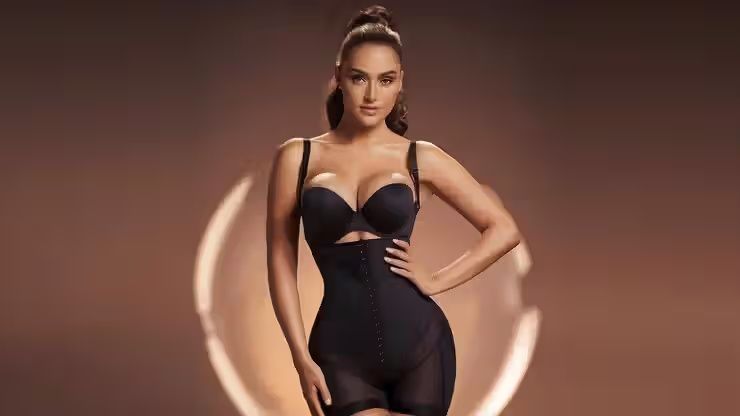
Types of Bodysuit Shapewear
Seamless Bodysuit Shapewear
Designed without visible stitching, making it suitable for wearing under fitted clothing.
Compression Shapewear
Provides different levels of pressure to shape areas such as the waist and abdomen.
Full-Body Shaping Garments
Offer extended coverage from shoulders to thighs for a uniform silhouette.
Targeted Control Bodysuits
Focus on specific areas like the tummy, hips, or back.
Importance of Bodysuit Shapewear
Bodysuit shapewear is widely used for improving clothing fit, comfort, and support.
Clothing Fit Enhancement
Shapewear helps garments appear smoother by reducing visible lines and folds. It is commonly used with:
- Formal wear
- Professional clothing
- Fitted dresses
- Lightweight fabrics
Posture Support
Some designs provide mild back support, encouraging better posture during long periods of sitting or standing.
Versatility
Bodysuits can function as both undergarments and outerwear, depending on styling preferences.
Comfort and Appearance
Shapewear creates a streamlined appearance under clothing without altering body structure.
Fabric Types and Performance
The effectiveness of shapewear depends on fabric composition.
Common Materials
- Spandex (Elastane) for stretch and compression
- Nylon for durability and smooth texture
- Polyester blends for strength and moisture resistance
- Cotton blends for breathability
- Mesh panels for airflow
Fabric Comparison Table
| Fabric Type | Stretch Level | Breathability | Common Use |
|---|---|---|---|
| Spandex/Elastane | High | Moderate | Compression shapewear |
| Nylon | Moderate | Moderate | Seamless designs |
| Cotton Blend | Low–Moderate | High | Everyday wear |
| Polyester Blend | Moderate | Moderate | Durable shapewear |
| Mesh Panels | Variable | High | Ventilated zones |
This table highlights how different fabrics influence comfort and performance.
Fit and Sizing Considerations
Proper sizing is essential for comfort and effectiveness.
Key Fit Factors
- Accurate body measurements (bust, waist, hips)
- Preferred compression level (light, medium, firm)
- Garment length and coverage
- Strap design (adjustable or fixed)
Compression Levels
| Compression Level | Description | Typical Use |
|---|---|---|
| Light | Gentle smoothing | Daily wear |
| Medium | Noticeable shaping | Work or events |
| Firm | Strong contouring | Structured outfits |
A well-fitted garment should feel snug without restricting movement.
Recent Updates and Trends (2025–2026)
Shapewear technology continues to evolve with new innovations.
Key Developments
- Sustainable fabrics: Use of recycled and eco-friendly materials
- Seamless technology improvements: Enhanced comfort and reduced visibility
- Inclusive sizing: Expanded size ranges for diverse body types
- Breathable compression materials: Improved moisture control and temperature regulation
These trends reflect a shift toward comfort, inclusivity, and sustainability.
Laws and Policies
Bodysuit shapewear is regulated under textile and consumer product standards.
Key Regulatory Areas
- Fabric composition labeling
- Care instructions and country of origin
- Safety standards for skin contact
- Restrictions on misleading advertising claims
In India, guidelines are overseen by the Bureau of Indian Standards, while in the United States, the Federal Trade Commission enforces labeling and advertising rules.
Tools and Resources
Measurement and Fit Tools
- Body measurement charts
- Tailoring guides
Fabric Information Resources
- Textile databases
- Fabric comparison charts
Sizing Tools
- International size converters
- Compression level guides
Educational Resources
- Apparel design articles
- Textile engineering references
- Clothing care databases
These tools help users make informed decisions about fit and fabric.
Styling and Use Cases
Everyday Wear
- Lightweight seamless shapewear under casual clothing
- Focus on comfort and breathability
Professional Settings
- Medium compression bodysuits under formal attire
- Smooth appearance under structured garments
Occasion Wear
- Firm compression shapewear for fitted outfits
- Targeted shaping for defined silhouettes
Care and Maintenance
| Care Practice | Purpose |
|---|---|
| Hand washing | Preserves elasticity |
| Air drying | Prevents fabric damage |
| Avoid high heat | Maintains compression |
| Store flat | Retains garment shape |
Proper care helps extend the lifespan of shapewear.
Frequently Asked Questions
What is the main purpose of bodysuit shapewear?
It provides support and creates a smoother appearance under clothing.
Is shapewear comfortable for long wear?
Comfort depends on fit, fabric, and compression level, with breathable materials improving wearability.
How do I choose the right size?
Accurate body measurements and size charts help ensure a proper fit.
Can shapewear affect posture?
Some designs provide mild support that may encourage better posture.
Are seamless designs visible under clothing?
They are designed to minimize visible lines, making them suitable for fitted garments.
Conclusion
Bodysuit shapewear combines modern textile engineering with functional design to support clothing fit and comfort. It offers a range of options, from seamless garments to compression bodysuits, suited for different needs and preferences.
Recent developments emphasize sustainability, improved comfort, and inclusive sizing. Understanding fabric types, fit considerations, and usage helps individuals make informed choices when selecting shapewear for everyday or occasional wear.