Bohemian style, often called “boho,” is a fashion and lifestyle aesthetic that emphasizes creativity, individuality, and cultural influences. The term “bohemian” originally referred to unconventional artists and writers in 19th-century Europe who lived outside traditional social norms. Over time, the concept evolved into a recognizable style category in fashion, interior design, and lifestyle choices.
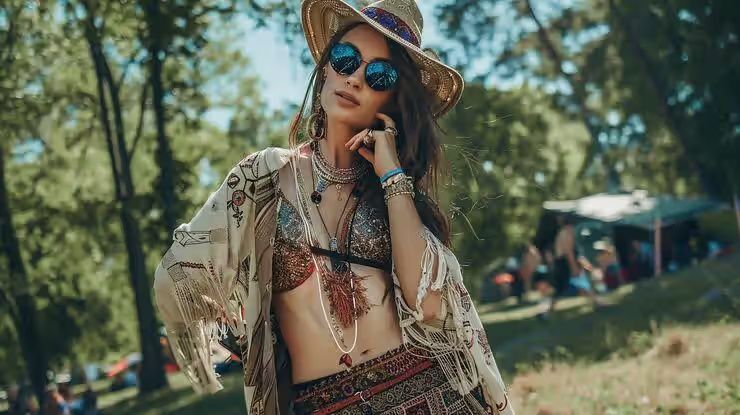
Bohemian style includes flowing fabrics, layered textures, embroidered garments, and vintage-inspired accessories. It extends beyond fashion into lifestyle and interior design, where natural materials and earthy tones are commonly used.
The style gained prominence during cultural movements of the 1960s and 1970s and continues to evolve with modern sustainability trends. Today, it represents a blend of artistic expression and contemporary design influences.
Importance of Bohemian Style
Bohemian style remains relevant because it reflects values such as creativity, sustainability, and cultural appreciation.
Personal Identity and Creativity
Many individuals adopt boho fashion to express individuality. The style encourages mixing patterns, layering garments, and incorporating handcrafted accessories.
Sustainable Fashion Trends
Bohemian fashion often aligns with environmentally conscious practices, including:
- Organic cotton clothing
- Linen and natural fabrics
- Vintage and upcycled garments
- Ethical fashion brands
Interest in eco-friendly clothing continues to grow as sustainability becomes a global priority.
Interior Design and Lifestyle
Boho home decor focuses on creating relaxed and comfortable environments. Common elements include:
- Indoor plants
- Textured rugs and cushions
- Woven baskets and macramé
- Neutral and earthy color palettes
Cultural Influence
Bohemian style draws inspiration from global textiles and artisan crafts. This encourages appreciation for traditional craftsmanship and diverse cultural designs.
Key Elements of Bohemian Fashion
Flowing Silhouettes
Maxi dresses, loose blouses, and wide-leg pants are commonly associated with bohemian fashion.
Layering
Layered necklaces, scarves, and mixed textures create depth and visual interest.
Natural Fabrics
Materials such as organic cotton, linen, and wool are widely used.
Earth-Toned Colors
Shades like beige, rust, olive, and cream dominate many boho collections.
Handcrafted Details
Embroidery, beadwork, crochet, and fringe highlight artisan influences.
Boho Home Decor Overview
Bohemian style also extends into interior design, emphasizing comfort and personalization.
Common Features
- Indoor greenery
- Rattan furniture
- Layered rugs
- Patterned cushions
- Handmade wall art
This approach prioritizes flexibility and artistic expression over rigid design rules.
Minimalist vs Bohemian Style Comparison
| Feature Category | Minimalist Style | Bohemian Style |
|---|---|---|
| Color Palette | Neutral and monochrome | Earthy and warm tones |
| Fabric Choices | Structured fabrics | Flowing natural textiles |
| Accessories | Limited | Layered and detailed |
| Interior Decor | Clean lines | Textured and eclectic |
| Overall Aesthetic | Simple and sleek | Relaxed and artistic |
This comparison highlights the contrast between simplicity and expressive design.
Recent Updates and Trends (2025–2026)
Bohemian style continues to evolve with new developments in fashion and design.
Key Trends
- Sustainability focus: Increased transparency in sourcing organic and recycled materials
- Vintage resurgence: Growth in resale platforms and vintage-inspired fashion
- Eco-conscious design: Use of plant-based dyes and handcrafted furniture
- Fashion influence: Designers incorporating relaxed silhouettes and earthy tones
- Digital inspiration: Online platforms shaping global style trends
These trends reflect a shift toward responsible and creative design practices.
Laws and Policies
Bohemian fashion and decor products are subject to consumer protection and environmental regulations.
Key Regulatory Areas
- Textile labeling requirements (fiber content and origin)
- Environmental standards for manufacturing and dye usage
- Protection of intellectual property for original designs
- Advertising transparency for “organic” and “eco-friendly” claims
Regulatory bodies such as the Federal Trade Commission and the European Union provide guidance on accurate labeling and marketing practices.
Tools and Resources
Fashion Research Platforms
- Trend forecasting websites
- Sustainable fabric directories
- Ethical brand databases
Interior Design Tools
- Room layout planners
- Color palette generators
- Virtual decor visualization apps
Sustainability Resources
- Textile certification directories
- Environmental impact calculators
Educational References
- Fashion history publications
- Design trend reports
- Artisan craft documentation
These tools support informed exploration of bohemian style.
Lifestyle Components
| Lifestyle Element | Description |
|---|---|
| Sustainable Wardrobe | Use of natural and ethical textiles |
| Eclectic Interiors | Mixed patterns and handcrafted decor |
| Cultural Appreciation | Inspiration from global traditions |
| Relaxed Living | Informal and comfortable environments |
| Artistic Expression | Personalized styling and creativity |
This table summarizes how bohemian style integrates fashion and lifestyle elements.
Frequently Asked Questions
What defines bohemian style fashion?
It includes flowing garments, natural fabrics, layered accessories, and earthy colors inspired by artistic traditions.
Is bohemian style connected to sustainability?
Often, yes. Many aspects focus on eco-friendly materials and ethical production.
Can bohemian style work in modern homes?
Yes, it can blend with contemporary interiors through textured accents and natural elements.
Is boho fashion seasonal?
While common in warmer seasons, layering allows it to be adapted year-round.
How is it different from minimalist style?
Minimalism emphasizes simplicity, while bohemian style focuses on layering, texture, and artistic variety.
Conclusion
Bohemian style represents a blend of fashion, culture, and lifestyle values. It encourages creativity, sustainability, and personal expression across clothing and home design.
Recent trends highlight growing interest in eco-conscious materials, vintage influences, and ethical production practices. Understanding its elements and regulatory considerations helps individuals make informed and responsible lifestyle choices.