Bridal jewellery refers to the ornaments traditionally worn by a bride during wedding ceremonies and related celebrations. These pieces often include necklaces, earrings, bangles, rings, head ornaments, and other accessories that hold cultural, symbolic, and aesthetic value. Bridal jewellery exists because weddings have long been considered major life events, marked by rituals and visual symbols that represent unity, prosperity, and transition.
Historically, jewellery served purposes beyond decoration. It represented personal wealth, family heritage, and social identity across many cultures. Brides wore specific ornaments that reflected their region, traditions, and family background.
Over time, bridal jewellery evolved alongside changing social norms and artistic influences. While traditions remain significant, modern designs also reflect personal style and global cultural exchange. This combination helps explain why bridal jewellery continues to hold meaning today.
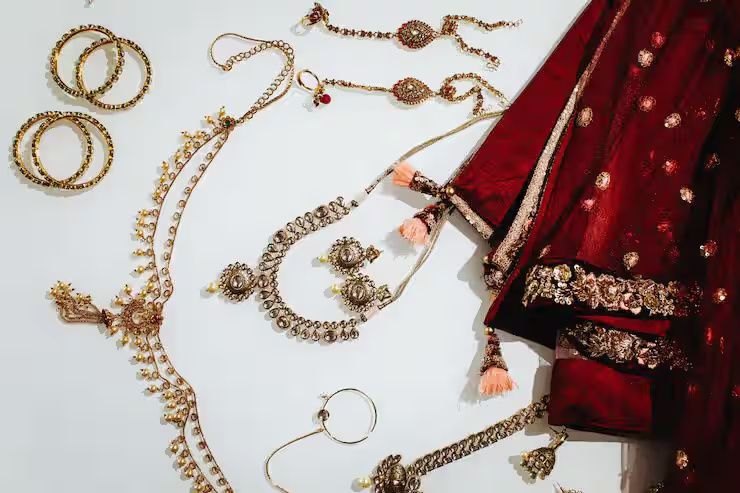
Importance: Why Bridal Jewellery Matters Today
Bridal jewellery connects personal celebration with cultural identity and emotional value. It impacts not only brides but also families, artisans, and cultural communities. Its importance lies in preserving traditions while allowing individual expression.
Key Reasons Bridal Jewellery Remains Important
- Representation of cultural heritage and customs
- Symbolism of marriage, continuity, and prosperity
- Emotional value linked to family traditions and heirlooms
- Visual harmony with bridal attire and ceremonies
For many families, bridal jewellery is passed down across generations. This strengthens emotional connections and preserves shared history. Brides often use jewellery to balance tradition with personal expression.
Challenges Bridal Jewellery Helps Address
- Maintaining cultural identity in modern ceremonies
- Balancing traditional expectations with contemporary styles
- Coordinating jewellery with diverse wedding formats
In today’s globalized environment, bridal jewellery reflects cross-cultural influences. Traditional forms are often blended with modern aesthetics.
Recent Updates: Trends and Changes in Bridal Jewellery
Recent developments show how bridal jewellery continues to evolve. Trends in 2025 highlight a balance between tradition and modern design approaches.
Notable Bridal Jewellery Trends in 2025
- Minimalist designs inspired by traditional motifs
- Revival of heritage and handcrafted regional styles
- Versatile pieces suitable for multiple occasions
- Increased awareness of sustainable material sourcing
Designers and cultural institutions are focusing on preserving traditional techniques. At the same time, digital platforms have expanded awareness of regional jewellery styles.
Laws and Policies: Regulations Affecting Bridal Jewellery
Bridal jewellery is influenced by laws related to metals, gemstones, and consumer protection. These regulations ensure authenticity, quality, and ethical practices in the jewellery industry.
Common Regulatory Aspects
- Hallmarking standards for precious metals
- Rules for gemstone grading and disclosure
- Import and export regulations for materials
- Cultural heritage protections for traditional designs
In countries like India, hallmarking programs help ensure metal purity. These standards build trust and protect consumers. Government initiatives also support traditional craftsmanship and regional artistry.
Tools and Resources: Helpful References for Bridal Jewellery Knowledge
Various tools help individuals understand bridal jewellery styles, symbolism, and care. These resources provide reliable information for learning and planning.
Common Resource Categories
- Jewellery style guides and cultural references
- Metal and gemstone education charts
- Measurement and fitting guides
- Heritage and design documentation
Resource Overview Table
| Resource Type | Purpose | Typical Use |
|---|---|---|
| Style Guides | Explain traditional designs | Cultural understanding |
| Gemstone Charts | Describe stone properties | Educational reference |
| Size Guides | Support accurate fitting | Planning and preparation |
| Care Guides | Explain maintenance practices | Long-term preservation |
Museums and cultural organizations publish educational materials about jewellery traditions. These resources help preserve knowledge across generations.
Visual Overview: Common Types of Bridal Jewellery
Bridal jewellery includes various pieces, each with its own meaning and role. These items contribute to both appearance and cultural symbolism.
Bridal Jewellery Types Table
| Jewellery Type | Description | Cultural Significance |
|---|---|---|
| Necklace Sets | Central ornamental pieces | Prosperity and unity |
| Earrings | Worn in various styles | Femininity and celebration |
| Bangles | Circular wrist ornaments | Continuity and commitment |
| Head Ornaments | Forehead or hair accessories | Blessings and status |
| Rings | Finger ornaments | Partnership and bond |
FAQs: Common Questions About Bridal Jewellery
What is the cultural significance of bridal jewellery?
Bridal jewellery often symbolizes prosperity, continuity, and family heritage. Its meaning varies across different cultures and regions.
Does bridal jewellery differ across regions?
Yes, designs and materials vary widely depending on cultural traditions. Local craftsmanship and historical influences shape these differences.
Is bridal jewellery always made of precious metals?
Traditionally, precious metals are common. However, modern designs may include alternative materials inspired by traditional styles.
Can bridal jewellery be worn after the wedding?
Many modern designs focus on versatility. These pieces can be reused for festivals, events, and formal occasions.
How should bridal jewellery be preserved?
Proper storage, gentle cleaning, and understanding material properties help maintain jewellery quality over time.
Conclusion: The Enduring Meaning of Bridal Jewellery
Bridal jewellery represents more than decoration. It reflects history, culture, emotion, and identity within wedding traditions. These pieces continue to mark important life events and shared values.
By understanding its context, importance, trends, and regulations, individuals gain deeper appreciation. Bridal jewellery remains a meaningful connection between tradition and modern life, preserving its significance across generations.