Recycling systems are organized processes designed to collect, sort, process, and reintroduce used materials back into production cycles. These systems exist to manage waste generated by households, businesses, and industries in a structured and environmentally responsible way. Instead of discarding materials after a single use, recycling systems aim to extend material life by transforming waste into usable resources.
The concept of recycling developed as societies began producing larger volumes of waste due to industrialization, urban growth, and mass consumption. Early efforts focused on reusing materials like metals, paper, and glass, but over time recycling evolved into structured systems supported by technology and policy.
Today, recycling systems are a key part of sustainability strategies. They connect waste management with resource conservation, helping reduce pressure on natural resources and manage increasing waste effectively.
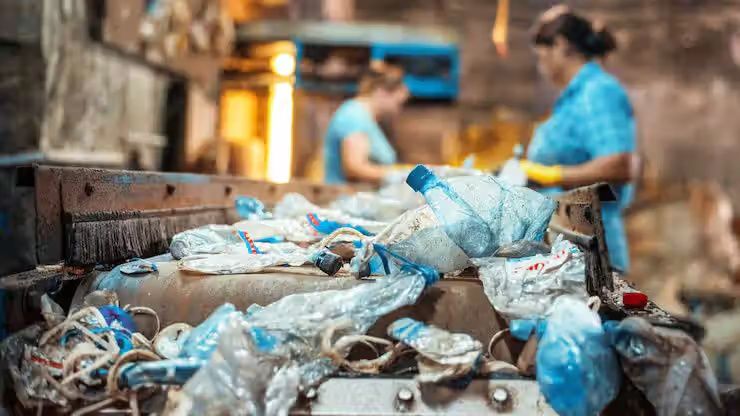
Why Recycling Systems Matter Today
Recycling systems are essential as global waste generation continues to rise. Without proper systems, waste accumulation can impact landfills, ecosystems, and public health.
Key Reasons This Topic Matters
- Waste reduction: Decreases the volume of landfill waste
- Resource conservation: Preserves raw materials
- Environmental protection: Reduces pressure on ecosystems
- Responsible consumption: Encourages sustainable habits
These systems affect households, industries, governments, and future generations. They help maintain cleaner environments and support efficient resource use.
Recent Developments and Trends (2024–2025)
Recycling systems have evolved with a stronger focus on efficiency, technology, and public awareness. These developments highlight the growing importance of sustainability practices.
Key Trends Overview
| Trend | Description | Impact |
|---|---|---|
| Improved waste segregation | Emphasis on sorting waste at the source | Enhances recycling efficiency |
| Advanced sorting technology | Use of automated optical and data-driven systems | Improves material recovery accuracy |
| Circular economy focus | Designing products for recyclability | Connects recycling with production processes |
| Public awareness campaigns | Clearer labeling and simplified guidelines | Increases participation rates |
These trends demonstrate a shift toward more efficient and user-friendly recycling systems.
Laws and Policies Shaping Recycling Systems
Recycling systems are guided by environmental laws and waste management policies. These frameworks ensure proper collection, processing, and accountability.
Key Regulatory Areas
- Global guidance: Provided by organizations like the United Nations Environment Programme
- National policies: Waste management rules emphasizing segregation and recycling
- Local regulations: Infrastructure development and awareness programs
- Sustainability initiatives: Promote circular economy principles
These policies help maintain environmental standards and encourage responsible waste management practices.
Tools and Resources for Understanding Recycling
Various tools and educational resources help individuals and organizations understand recycling systems and their role in sustainability.
Useful Tools and References
- Waste segregation guides: Help classify materials correctly
- Recycling flowcharts: Explain processing stages
- Impact calculators: Show environmental benefits
- Sustainability platforms: Provide learning resources
- Educational media: Document recycling processes
Common Recyclable Materials and Pathways
| Material Type | Collection Focus | Recycling Outcome |
|---|---|---|
| Paper | Dry waste segregation | Reprocessed paper products |
| Plastics | Category-based sorting | Material reprocessing |
| Glass | Color and type sorting | Remelted glass products |
| Metals | Magnetic/manual sorting | Reusable metal inputs |
| Organic waste | Separate collection | Compost or energy recovery |
These tools help build awareness of how recycling systems function in practice.
Frequently Asked Questions
What Is the Main Goal of Recycling Systems?
The main goal is to reduce waste by recovering materials and reintroducing them into production cycles.
Why Is Waste Segregation Important?
Proper segregation improves recycling efficiency and reduces contamination.
Are All Materials Recyclable?
No, recyclability depends on material type, condition, and available infrastructure.
How Do Recycling Systems Support Sustainability?
They conserve resources, reduce landfill use, and improve long-term material efficiency.
Is Public Participation Necessary?
Yes, effective recycling systems rely on active participation from households, industries, and communities.
Conclusion
Recycling systems are a fundamental part of sustainable waste management. By transforming waste into reusable materials, they help reduce environmental pressure and support responsible consumption.
Understanding their importance, trends, and supporting frameworks allows individuals to see recycling as a structured and impactful system. As environmental challenges grow, recycling systems remain essential for building a sustainable and resilient future.