Explore Luxury Watches: A Complete Guide to Styles, Features and Timeless Appeal
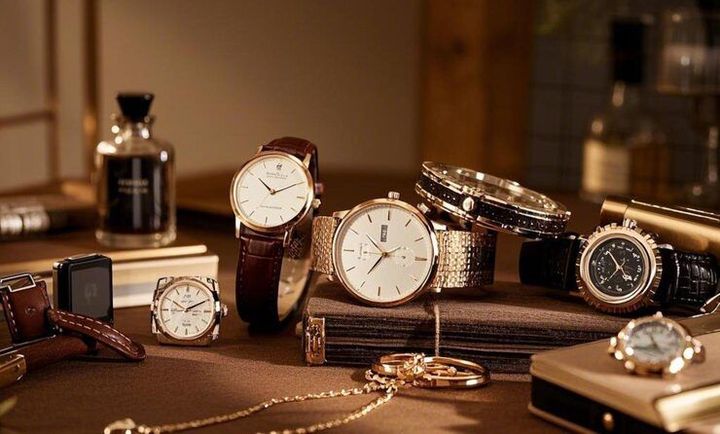
Luxury watches combine mechanical engineering, craftsmanship, design, and cultural history in a compact timekeeping instrument.
Unlike ordinary timepieces, they are often recognized for detailed construction, carefully finished components, distinctive designs, and long-established watchmaking traditions.
Understanding luxury watches involves more than recognizing famous names or attractive designs. Factors such as movement type, materials, complications, accuracy, durability, maintenance requirements, and historical significance can all influence how a watch is understood and evaluated.
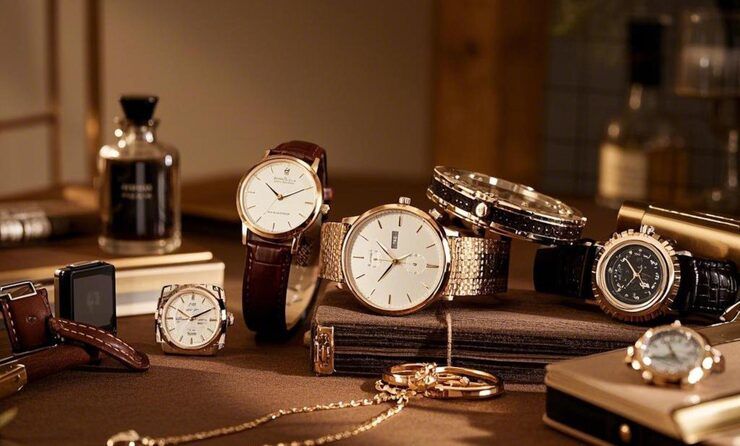
Context
A luxury watch is generally a high-end timepiece distinguished by its construction, finishing, materials, technical features, heritage, or craftsmanship. The category includes mechanical watches, automatic watches, hand-wound models, and some advanced quartz or electronic timepieces.
Modern luxury watchmaking developed from centuries of horological innovation. European watchmaking centers, particularly in Switzerland, Germany, and France, played important roles in developing mechanical movements, precision regulation, decorative techniques, and complications.
The main movement categories include:
| Movement Type | Basic Explanation | Common Characteristics |
|---|---|---|
| Mechanical | Uses a wound mainspring | Traditional construction |
| Automatic | Wounds through wrist movement | Convenient mechanical operation |
| Quartz | Uses an electronic oscillator | High practical accuracy |
| Manual | Requires regular hand winding | Traditional mechanical experience |
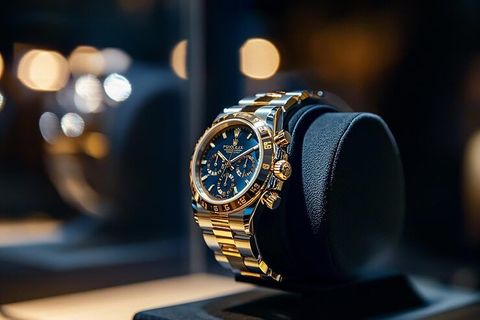
Common luxury watch features include chronographs, calendars, moon-phase displays, power-reserve indicators, tourbillons, dual-time displays, and water-resistance systems. Some models emphasize technical innovation, while others focus mainly on traditional craftsmanship and understated design.
Importance
Luxury watches are relevant to collectors, enthusiasts, professionals, historians, and people interested in mechanical engineering or fashion. They can represent an intersection of technology, artistic design, cultural heritage, and personal expression.
Understanding basic watch terminology can help people interpret specifications more accurately. For example, case diameter describes the width of the watch case, while lug-to-lug distance can provide a better indication of how a watch physically sits on the wrist.
Other important factors include:
- Movement construction and operating frequency
- Case material and dimensions
- Crystal type and durability
- Water-resistance rating
- Strap or bracelet construction
- Complications and display functions
- Maintenance and servicing requirements
- Manufacturer documentation and provenance
Mechanical watches also provide an example of miniature engineering. A traditional mechanical movement may contain numerous precisely manufactured components working together to regulate the display of time.
Recent Updates
The luxury watch sector continues to evolve through changes in technology, consumer preferences, sustainability practices, and design trends. Mechanical watchmaking remains important, while brands and manufacturers are also incorporating modern materials and production methods.
One notable development is the increased use of advanced materials. Ceramic, titanium, carbon-based composites, and specialized alloys can provide combinations of light weight, hardness, corrosion resistance, or distinctive appearance.
Digital tools have also changed how enthusiasts research watches. Online archives, manufacturer databases, specialist publications, auction records, and horological communities make it easier to compare historical references and technical specifications.
Current design discussions commonly include:
- Smaller and more versatile case dimensions
- Greater interest in vintage-inspired designs
- Increased use of independent watchmaking
- More transparent information about materials
- Modern approaches to traditional complications
- Continued interest in mechanical movements
Sustainability is another developing area. Manufacturers are examining material sourcing, production processes, packaging, durability, and long-term repairability. However, sustainability practices vary considerably between manufacturers, so individual claims should be checked against published documentation.
Laws or Policies
Luxury watches are affected by general laws concerning consumer protection, trademarks, intellectual property, customs, taxation, product declarations, and international trade. The exact requirements depend on the country and the circumstances involved.
International movement of watches can involve customs declarations and documentation. Certain materials may also be subject to specific restrictions or documentation requirements, particularly when they involve protected wildlife materials or regulated substances.
Trademark and intellectual-property rules are especially relevant because watch designs, brand names, logos, technical inventions, and written materials can receive different forms of legal protection.
Authenticity is another important legal and practical consideration. Counterfeit watches can infringe intellectual-property rights, and importing or distributing counterfeit goods may create legal consequences depending on the jurisdiction.
People researching a particular watch should consult the relevant government customs authority and consumer-protection agency for current requirements. Rules can change, particularly for international shipments and regulated materials.
Tools and Resources
Reliable information is important when researching luxury watches because specifications, historical references, production periods, and movement details can vary between models.
Useful resources include manufacturer archives, horological museums, technical reference books, professional watchmaking organizations, and established watch publications. Government customs websites can also help explain international documentation requirements.
A basic research checklist can include:
- Identify the manufacturer and exact reference.
- Check the movement type and caliber information.
- Review official technical specifications.
- Compare case dimensions and materials.
- Research the model's production history.
- Check documentation and provenance where relevant.
- Consult an appropriately qualified watchmaker for technical questions.
Manufacturer documentation is generally the most appropriate starting point for specifications. Independent horological publications can provide additional historical and technical context.
FAQs
What makes a watch a luxury watch?
Luxury watches are generally distinguished by a combination of craftsmanship, materials, movement technology, finishing, heritage, design, and technical complexity. There is no single universal definition that applies to every manufacturer.
What is the difference between automatic and mechanical watches?
An automatic watch is a type of mechanical watch that uses wrist movement to wind its mainspring through a rotor mechanism. A manually wound mechanical watch requires the wearer to wind the mainspring by hand.
Are luxury watches accurate?
Mechanical watches are generally less precise than high-quality quartz watches because mechanical accuracy can be affected by position, temperature, movement condition, and other factors. Accuracy specifications vary by movement and manufacturer.
What are common luxury watch complications?
Common complications include chronographs, annual or perpetual calendars, moon-phase displays, power-reserve indicators, dual-time functions, and tourbillons. Each adds a specific function or technical feature beyond basic time display.
How should a luxury watch be maintained?
Maintenance depends on the movement, manufacturer, age, usage, and condition of the watch. Owners should follow the manufacturer's recommendations and have technical work performed by appropriately qualified professionals.
Conclusion
Luxury watches bring together horology, engineering, craftsmanship, materials, and design. Understanding movements, complications, construction, history, and regulatory considerations provides a clearer picture of what distinguishes different timepieces.
The category continues to develop while retaining many traditional watchmaking techniques. Careful research and reliable technical information can help enthusiasts understand the features, history, and long-term considerations associated with luxury watches.
For anyone exploring the subject, starting with movement basics, case construction, complications, and watchmaking history provides a useful foundation. Manufacturer documentation and reputable horological resources can then provide more detailed information about individual models.