A Beginner’s Guide to Food Processing Equipment
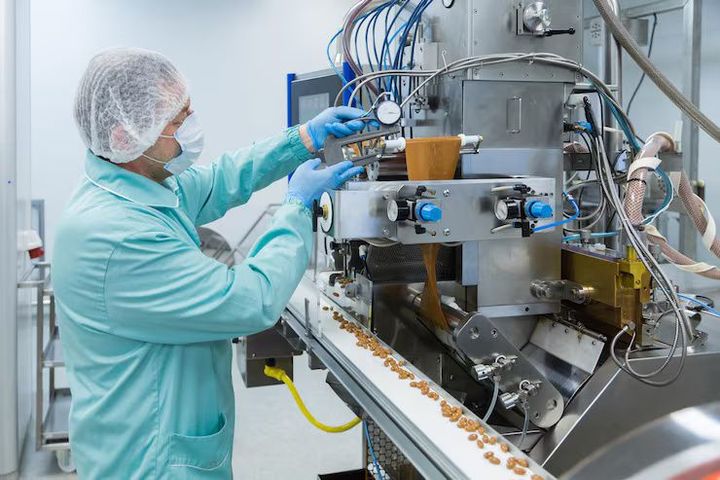
A Beginner’s Guide to Food Processing Equipment introduces the machines and systems used to prepare, process, preserve, package, and handle food products.
Food processing equipment can range from simple cutting and mixing machines to automated systems used for heating, cooling, drying, filling, and inspection.
Understanding how food processing equipment works can help beginners recognize the main stages of food production and the factors that influence equipment selection. Different foods require different processing methods, so equipment is generally designed around the characteristics of the ingredients and the intended processing method.
Context
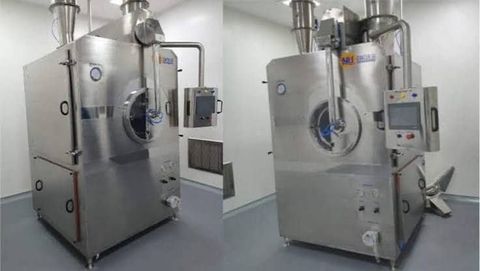
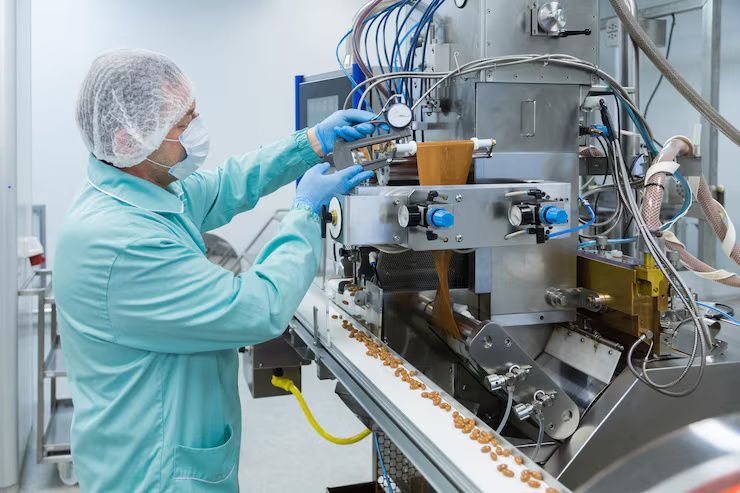
Food processing equipment refers to mechanical and electrical equipment used during different stages of food preparation and manufacturing. Its purpose is to transform raw agricultural materials or ingredients into food products while supporting consistency, hygiene, safety, and efficient handling.
The history of food processing includes basic methods such as grinding, drying, heating, fermentation, and preservation. Modern food processing equipment combines these established techniques with automation, sensors, computerized controls, and improved sanitation systems.
Common categories include:
- Cutting and slicing equipment
- Grinding and milling equipment
- Mixing and blending systems
- Heating and cooking equipment
- Cooling and refrigeration systems
- Drying and dehydration equipment
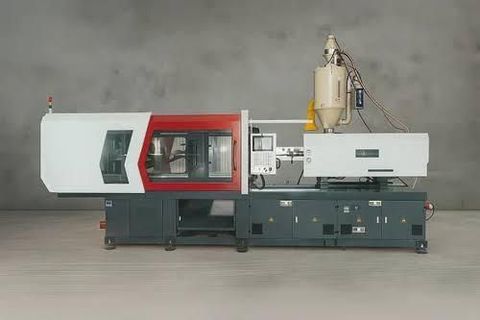
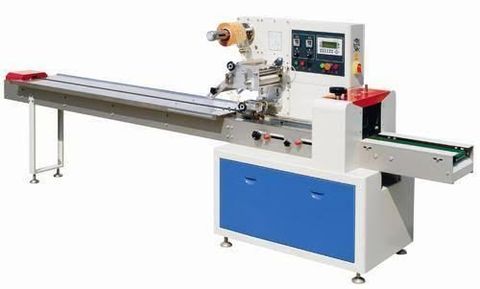
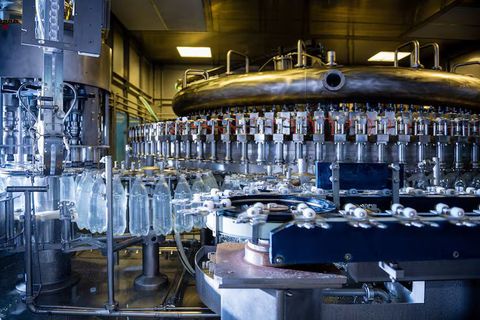
- Filling and packaging equipment
- Cleaning and sanitation equipment
- Inspection and quality-control equipment
The appropriate equipment depends on the food being processed. Fruits and vegetables may require washing, sorting, cutting, blanching, or freezing. Grain products may involve cleaning, milling, mixing, and baking. Dairy processing can involve pasteurization, separation, homogenization, cooling, and controlled storage.
A basic food processing line can therefore contain several connected stages rather than one machine performing the entire process.
| Processing Stage | Common Equipment | Main Purpose |
|---|---|---|
| Preparation | Washers, cutters, peelers | Prepare raw ingredients |
| Size reduction | Grinders, mills, slicers | Change particle or piece size |
| Mixing | Blenders, mixers | Combine ingredients |
| Thermal processing | Cookers, pasteurizers | Apply controlled heat |
| Cooling | Chillers, cooling systems | Reduce product temperature |
| Drying | Dehydrators, dryers | Remove moisture |
| Packaging | Fillers, sealers | Contain and protect products |
| Inspection | Sensors, metal detectors | Detect selected product issues |
Importance
Food processing equipment matters because processing conditions can affect food safety, quality, shelf life, texture, appearance, and consistency. Properly designed equipment can help maintain controlled temperatures, reduce unnecessary handling, and support repeatable processing conditions.
The subject affects several groups, including food manufacturers, agricultural processors, food scientists, quality-control personnel, equipment operators, regulators, and consumers.
Equipment design also has an important relationship with hygiene. Food-contact surfaces should be designed so they can be cleaned effectively and should minimize places where food residues or microorganisms could accumulate.
Important considerations when evaluating equipment include:
- Type and characteristics of the food
- Processing temperature and time
- Required capacity
- Moisture and texture of the product
- Cleaning requirements
- Materials that contact food
- Available space and utilities
- Automation and monitoring needs
- Applicable food-safety requirements
Automation has become increasingly common in food processing. Sensors can monitor variables such as temperature, pressure, flow, weight, moisture, or product position. Automated controls can then help maintain defined processing conditions.
However, automation does not remove the need for trained personnel. Operators and food-safety teams still need to understand equipment controls, sanitation procedures, maintenance requirements, and applicable regulations.
Recent Updates
Recent developments in food processing equipment have focused on automation, energy efficiency, digital monitoring, hygiene, and improved process control.
One important development is the wider use of sensors and connected control systems. These technologies can collect information from equipment and help operators identify changes in processing conditions. Data recording can also support traceability and quality documentation.
Energy efficiency is another area of development. Heating, refrigeration, drying, and compressed-air systems can require significant energy, so equipment designers increasingly focus on heat recovery, improved insulation, variable-speed drives, and more efficient process controls.
Food manufacturers are also paying greater attention to hygienic equipment design. Equipment with accessible surfaces, appropriate materials, controlled drainage, and easier cleaning procedures can help reduce contamination risks.
Flexible processing systems are also becoming more important. Some facilities handle multiple products or recipes, which can require equipment that supports different processing parameters while maintaining appropriate cleaning and changeover procedures.
Key technology trends include:
- Digital temperature and pressure monitoring
- Automated process controls
- Machine vision for inspection
- Improved refrigeration systems
- Energy-monitoring technologies
- Hygienic equipment designs
- Data-based traceability systems
These developments do not eliminate fundamental food-safety principles. Instead, technology is increasingly being used to monitor and document established processing controls.
Laws or Policies
Food processing equipment is used within a regulatory environment designed to protect food safety. Exact requirements vary according to the country, food category, processing method, and facility.
In the United States, the Food and Drug Administration regulates many foods and food-processing facilities. The Food Safety Modernization Act, commonly known as FSMA, established preventive controls and other requirements intended to strengthen food-safety systems. Certain facilities may need written food-safety plans, hazard analysis, preventive controls, monitoring, and verification activities.
The U.S. Department of Agriculture has regulatory responsibilities for certain meat, poultry, and egg products. Requirements can differ from those administered by the FDA.
Internationally, the Codex Alimentarius provides internationally recognized food standards, guidelines, and codes of practice. Individual countries may incorporate or adapt these principles through their own laws.
For equipment and facility planning, organizations generally need to consider:
- Food-contact material requirements
- Hygienic design principles
- Cleaning and sanitation procedures
- Hazard analysis and preventive controls
- Temperature and process controls
- Recordkeeping and traceability
- Worker safety requirements
- Local environmental and facility regulations
Regulatory requirements should be checked with the appropriate government authority before equipment or processing procedures are implemented.
Tools and Resources
Several reliable organizations provide educational and regulatory information about food processing, food safety, and processing technologies.
The U.S. Food and Drug Administration provides guidance on food safety, preventive controls, food facilities, and applicable regulations. The U.S. Department of Agriculture provides information related to regulated meat, poultry, and egg products.
The Food and Agriculture Organization of the United Nations publishes technical information covering food processing, agriculture, food safety, and post-harvest handling. Codex Alimentarius provides international food standards and guidance.
Useful resources include:
- FDA food-safety guidance and regulations
- USDA food-safety information
- FAO technical publications
- Codex Alimentarius standards
- HACCP planning resources
- Food-processing textbooks and technical manuals
- Equipment manufacturer technical documentation
Basic calculators and worksheets can also help with process planning. Examples include temperature-conversion calculators, flow-rate calculations, moisture calculations, capacity estimates, and energy-use calculations.
Technical documentation should be reviewed carefully because equipment specifications, operating limits, cleaning instructions, and maintenance procedures can differ considerably between systems.
FAQs
What is food processing equipment?
Food processing equipment includes machines and systems used to prepare, transform, preserve, handle, inspect, or package food during production.
What are the main types of food processing equipment?
Common types include cutters, grinders, mixers, cookers, pasteurizers, dryers, chillers, fillers, packaging systems, and inspection equipment.
Why is hygienic design important?
Hygienic design helps make equipment easier to clean and can reduce areas where food residues or microorganisms could accumulate.
How does automation help food processing?
Automation can monitor and control variables such as temperature, pressure, flow, weight, and timing. It can also support consistent processing and recordkeeping.
What regulations apply to food processing equipment?
Requirements depend on the country and food category. Regulations may cover food safety, sanitation, food-contact materials, processing controls, worker safety, and documentation.
Conclusion
Food processing equipment covers a broad range of technologies used to prepare, transform, preserve, inspect, and handle food. Understanding the purpose of each equipment category helps beginners see how individual machines fit into a complete processing system.
Modern systems increasingly combine mechanical equipment with sensors, automation, data collection, and hygienic design. Even with these advances, safe food processing still depends on appropriate procedures, trained personnel, sanitation, monitoring, and compliance with applicable regulations.
Choosing or evaluating food processing equipment requires attention to the characteristics of the food, processing conditions, hygiene requirements, capacity, maintenance, and applicable laws. Reliable technical and government resources can help users develop a clearer understanding of these factors.