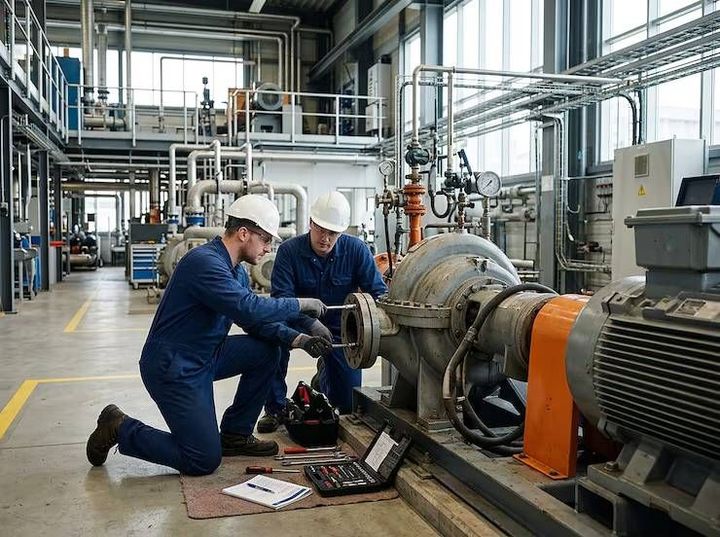
A Complete Guide to Industrial Machine Diagnostics and Repair
Industrial machine diagnostics and repair refers to the systematic process of identifying, analyzing, and fixing operational issues in manufacturing and processing equipment.
Modern industrial settings rely on complex electrical, mechanical, hydraulic, and pneumatic systems to run continuous operations. Over time, these machines experience natural wear, thermal stress, and component fatigue that require structured technical attention.
The main purpose of machine diagnostics is to evaluate equipment health before a total system breakdown occurs. Technicians use physical inspections, sensor monitoring, and diagnostic instruments to evaluate operational performance. Early identification of small anomalies helps maintain smooth workflow patterns across production plants.
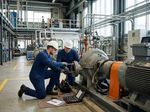
Industrial repair involves restoring affected components to their proper operating conditions based on diagnostic findings. This process includes steps such as realigning shafts, replacing worn bearings, recalibrating control valves, and updating system settings. Following structured repair steps ensures that machinery functions according to original manufacturer specifications.
Importance
Proper maintenance and diagnostic procedures affect many groups within an industrial facility. Plant managers, line operators, maintenance engineers, and safety officers all rely on reliable machinery to perform daily tasks safely and efficiently. Unplanned machinery downtime can interrupt production schedules and create severe operational backlogs across entire supply chains.
Regular diagnostics significantly reduce the risk of catastrophic equipment failure. Detecting issues early prevents minor mechanical friction from damaging neighboring components. This structured approach extends the overall operating lifespan of heavy equipment and maintains consistent product output quality.
Workplace safety is another critical area impacted by machine reliability. Faulty equipment can present severe hazards, including electrical short circuits, high-pressure fluid leaks, and unexpected mechanical movement. Consistent diagnostic checks help create a safer environment for operators and maintenance personnel.
| Component / System | Diagnostic Focus Area | Primary Failure Indicator |
| Rotating Shafts | Vibration and Balance | High Frequency Oscillation |
| Bearings | Temperature and Friction | Excessive Heat Generation |
| Hydraulic Lines | Pressure and Contamination | Fluid Leakage or Pressure Drops |
| Electrical Panels | Resistance and Load | Thermal Anomalies |
Laws or Policies
Industrial machinery maintenance and repair operations must adhere to strict regulatory standards and government policies. Agencies like the Occupational Safety and Health Administration establish workplace safety regulations to protect technicians during equipment inspection and repair. Compliance with these rules is mandatory for industrial facilities.
Hazardous energy control standards, commonly known as Lockout or Tagout protocols, require total isolation of energy sources before maintenance begins. Technicians must ensure that electrical, hydraulic, pneumatic, and mechanical energy sources are safely locked out. This policy prevents accidental machine startup during inspection or component replacement.
Environmental regulations also govern how facilities handle industrial fluids and replaced materials. Rules established by environmental protection agencies dictate proper containment, recycling, and disposal procedures for lubricants, hydraulic oils, and contaminated filters. Following these policies protects local ecosystems and prevents regulatory violations.
Tools and Resources
Technicians use various diagnostic instruments and digital resources to assess machinery conditions. Vibration meters measure frequency shifts in rotating equipment to identify imbalance or misalignment. Thermal imaging cameras detect abnormal heat patterns in electrical enclosures and mechanical linkages without requiring physical contact.
Ultrasound detectors help locate high-pressure gas leaks and early-stage bearing friction that human ears cannot detect. Fluid testing kits analyze oil samples for metal particles and chemical degradation. Digital multimeters and oscilloscopes check electrical continuity, voltage stability, and signal accuracy across control circuits.
Computerized Maintenance Management Systems serve as digital platforms for tracking equipment history. These software programs record diagnostic data, schedule recurring inspections, and document past repair steps. Standardized digital templates help maintenance teams maintain uniform record-keeping practices across all plant departments.
FAQs
What is the difference between machine diagnostics and machine repair?
Diagnostics involves inspecting, testing, and analyzing machinery to discover underlying operational problems. Repair is the physical process of fixing, adjusting, or replacing components based on those diagnostic findings.
How often should industrial machine diagnostics be performed?
Diagnostic routines depend on equipment usage, manufacturer recommendations, and operational environment. Critical machinery often undergoes continuous automated monitoring, while standard components receive weekly or monthly manual inspections.
What are the most common signs that a machine requires maintenance?
Unusual noises, elevated operating temperatures, excessive vibration, fluid leaks, and sudden drops in output quality are primary indicators of mechanical or electrical issues.
Why is thermal imaging useful in machine diagnostics?
Thermal imaging detects invisible heat signatures caused by friction, high electrical resistance, or poor ventilation. It allows technicians to identify potential failure points while equipment remains running.
What safety precautions are required before repairing industrial machinery?
Technicians must follow proper Lockout or Tagout procedures, wear personal protective equipment, verify zero energy state, and consult machine safety documentation prior to starting any repair task.
Conclusion
Industrial machine diagnostics and repair provides a systematic methodology for identifying operational issues and restoring equipment to optimal performance. Implementing structured diagnostic technologies and adhering to safety regulations ensures consistent operational efficiency across production facilities. Regular condition monitoring ultimately creates a safer work environment while protecting long-term mechanical reliability.