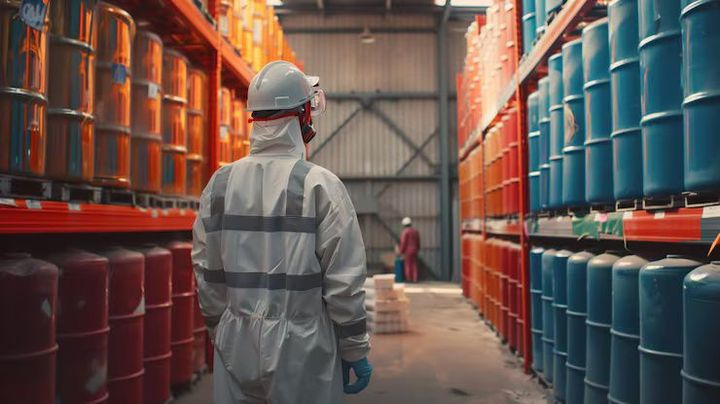
Chemical Suppliers Basics: Understanding Chemicals, Standards and Handling
Chemical suppliers are an important part of the chemical industry because they connect chemical manufacturers, laboratories, industrial facilities, research organizations, and other users with substances needed for specific applications.
Understanding how chemical suppliers work requires more than knowing chemical names. It also involves learning about purity, specifications, standards, labeling, documentation, storage, transportation, and safe handling.
Chemical products can range from common industrial substances to highly hazardous materials. Their properties determine how they should be classified, packaged, stored, transported, and handled. International frameworks such as the Globally Harmonized System of Classification and Labelling of Chemicals (GHS) help communicate hazards through standardized labels and safety data sheets (SDS).
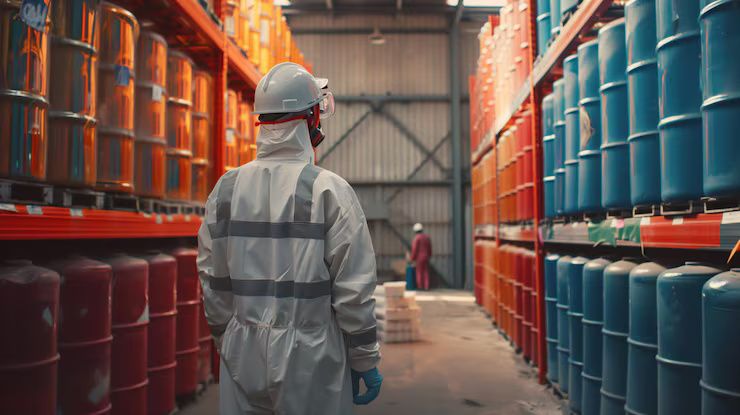
Context – Understanding Chemical Suppliers and Their Purpose
Chemical suppliers are organizations that provide chemical substances or mixtures for defined industrial, laboratory, agricultural, manufacturing, research, or commercial applications. Their role can include maintaining product specifications, preparing documentation, managing packaging requirements, and communicating safety information.
A chemical supplier may handle substances such as solvents, acids, alkalis, polymers, salts, gases, specialty chemicals, laboratory reagents, and industrial intermediates. Each chemical has characteristics that influence how it should be handled.
Important information commonly associated with a chemical includes:
- Chemical name and identification number
- Purity or concentration
- Physical and chemical properties
- Hazard classification
- Appropriate storage conditions
- Packaging information
- Safety Data Sheet
- Applicable technical or regulatory standards
An SDS is particularly important because it provides structured information about hazards, first aid, fire response, accidental release, handling, storage, exposure controls, physical properties, stability, toxicology, and other relevant information. OSHA's Hazard Communication Standard, for example, specifies a structured SDS format for hazardous chemicals.
Chemical standards can vary according to application and jurisdiction. A laboratory reagent may require different specifications from a chemical intended for an industrial manufacturing process. Therefore, users should evaluate the exact grade, concentration, purity, and intended application rather than relying only on a chemical's common name.
| Information | Why it matters |
|---|---|
| Chemical identity | Confirms the exact substance |
| Purity or concentration | Helps determine suitability |
| Hazard classification | Identifies physical and health risks |
| SDS | Provides safety and emergency information |
| Storage conditions | Helps maintain stability and reduce hazards |
| Packaging | Supports safe containment and handling |
| Regulatory status | Indicates applicable legal requirements |
Importance – Why Chemical Standards and Handling Matter
Chemical safety affects everyone involved in the chemical supply chain, including manufacturers, suppliers, laboratory personnel, transport workers, industrial operators, emergency responders, and nearby communities.
Incorrect identification or handling can create risks such as fire, chemical exposure, incompatible reactions, environmental contamination, or container failure. Good chemical management therefore begins with accurate information and continues through storage, transportation, use, and disposal.
Chemical suppliers and users should pay particular attention to compatibility. Some substances can react dangerously when mixed or stored together. Oxidizing substances, flammable materials, corrosive chemicals, and reactive compounds may require separate storage arrangements.
A basic chemical-handling approach includes:
- Read the current SDS before handling an unfamiliar substance.
- Check container labels and hazard pictograms.
- Follow recommended exposure controls.
- Use appropriate personal protective equipment.
- Keep incompatible substances separated.
- Maintain suitable ventilation where required.
- Follow emergency procedures for spills and exposure.
- Keep containers properly closed and identified.
The GHS was developed to create a more consistent approach to chemical hazard communication. It covers hazard classification, labels, pictograms, precautionary statements, and safety data sheets.
Recent Updates – Trends and Developments
Chemical safety requirements continue to evolve as scientific knowledge, environmental priorities, and regulatory systems develop. One important recent development is the publication of the eleventh revised edition of the GHS in 2025. It includes changes concerning aerosols and chemicals under pressure, skin sensitization classification, chemicals associated with global warming, precautionary statements, and simple asphyxiants.
Another important trend is greater attention to the environmental effects of chemical substances. Chemical management increasingly considers not only immediate workplace hazards but also persistence, toxicity, environmental exposure, and long-term impacts.
Digital documentation is also becoming more common. Electronic SDS libraries, chemical inventory systems, barcode identification, and digital compliance records can help organizations maintain current information and identify substances more efficiently.
International chemical regulations are also becoming more interconnected. Organizations operating across borders may need to consider multiple regulatory systems rather than relying on the rules of one country.
Laws or Policies – Chemical Regulations and Standards
Chemical regulations depend on the country, substance, quantity, intended use, and circumstances of handling. There is no single worldwide chemical law, so organizations must identify the rules applicable to their location and activity.
The GHS provides an international framework for hazard classification and communication, but individual countries implement its principles through their own legislation. The United States, for example, uses OSHA's Hazard Communication Standard, which requires hazard communication programs, labels, SDS information, and employee training for covered workplace chemicals.
In the European Union, REACH is a major chemical regulation covering registration, evaluation, authorization, and restriction of chemical substances. It places responsibilities on industry to identify and manage chemical risks and provide safety information.
India has its own chemical safety framework. The Environment (Protection) Act, 1986 provides the legislative foundation for several environmental rules, including the Manufacture, Storage and Import of Hazardous Chemicals Rules, 1989. India Code lists these rules under the Act.
India also has the Chemical Accidents (Emergency Planning, Preparedness and Response) Rules, 1996. These rules address emergency planning and response associated with chemical accidents. The Ministry of Environment, Forest and Climate Change currently lists both the hazardous chemical rules and chemical accident rules among its regulatory materials.
Organizations should consult the relevant government authority or qualified regulatory professional when determining specific legal obligations because requirements can change and may differ according to the chemical and activity involved.
Tools and Resources – Useful Chemical Information
Reliable information is essential when evaluating chemical specifications and handling requirements. Useful resources include government regulatory databases, official chemical registries, SDS documents, technical standards, and workplace safety guidance.
Some practical resources include:
- UNECE GHS publications for international hazard-classification guidance.
- OSHA Hazard Communication resources for covered U.S. workplaces.
- European Commission REACH information for European chemical regulation.
- India Code for Indian environmental legislation and related rules.
- Ministry of Environment, Forest and Climate Change resources for Indian chemical-safety regulations.
Organizations may also use chemical inventory spreadsheets, compatibility charts, exposure calculators, risk-assessment templates, emergency planning documents, and internal SDS databases.
FAQs – Chemical Suppliers Basics
What information should a chemical supplier provide?
Important information can include the chemical identity, grade, concentration, specifications, hazard classification, SDS, labeling information, storage requirements, and applicable regulatory information.
What is a Safety Data Sheet?
An SDS is a standardized document containing important information about a chemical's hazards, handling, storage, emergency measures, exposure controls, physical properties, and other safety considerations.
Why are chemical standards important?
Standards help establish consistent expectations for chemical identity, purity, testing, labeling, safety, and technical performance. They can help users determine whether a chemical is appropriate for a particular application.
What does GHS mean?
GHS stands for Globally Harmonized System of Classification and Labelling of Chemicals. It provides a framework for communicating chemical hazards through classification, labels, pictograms, precautionary statements, and SDS information.
What should be checked before handling a hazardous chemical?
Users should review the SDS and container label, understand the hazards, check storage and compatibility requirements, follow exposure controls, use appropriate protective equipment, and know the relevant emergency procedures.
Conclusion – Building Better Chemical Safety Knowledge
Understanding chemical suppliers involves more than identifying where chemicals come from. It requires knowledge of chemical specifications, standards, hazard communication, SDS documentation, storage, handling, and applicable regulations.
GHS provides an internationally recognized framework, while regulations such as OSHA's Hazard Communication Standard, EU REACH, and India's hazardous chemical rules establish jurisdiction-specific requirements. Staying informed and using current official documentation can support safer and more consistent chemical management.
Chemical users should always evaluate the specific substance, concentration, intended application, and applicable regulations before handling it. When requirements are unclear, guidance from the relevant regulatory authority or a qualified safety professional can help clarify responsibilities.