Exploring Modern Scientific Laboratory Supplies for Accurate Research
Scientific discovery relies heavily on the precision and reliability of the tools used inside testing facilities.
Exploring modern scientific laboratory supplies for accurate research reveals how basic glassware, digital sensors, and automated instruments work together to produce trustworthy results. Without standardized materials and calibrated devices, even the most carefully designed experiment can yield flawed data.
Context
Scientific laboratory supplies include the broad range of consumables, instruments, and safety gear required to conduct experiments, measure samples, and analyze results. Historically, researchers depended on manual measurement tools, simple glass vessels, and handwritten observation logs. Over time, the demand for higher precision and repeatability transformed these basic items into engineered systems designed to minimize human error and environmental contamination.
The primary purpose of modern laboratory supplies is to establish controlled conditions where variables can be isolated and measured accurately. Whether a facility focuses on chemical synthesis, biological testing, or material science, every item plays a specific role in maintaining sample integrity. From sterile pipette tips that prevent cross-contamination to analytical balances that measure microscopic weights, these tools form the physical foundation of empirical evidence.
Core Categories of Laboratory Supplies
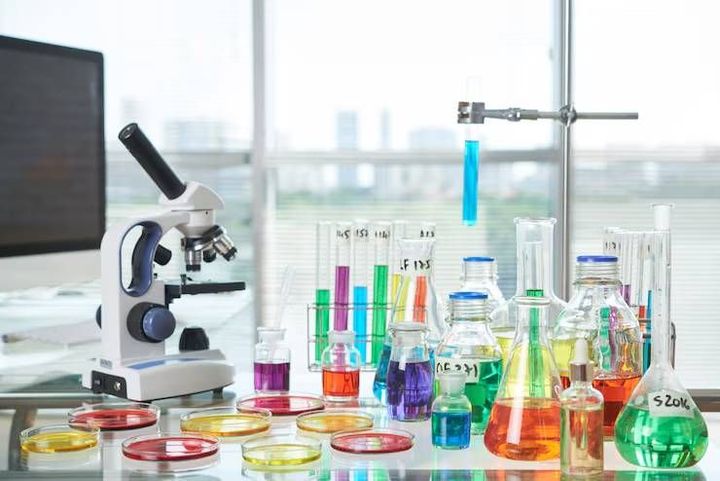
Consumables: Single-use or recyclable items such as microplates, filter papers, test tubes, and chromatography vials that hold or transfer samples.
Measuring Instruments: Devices like pipettes, pH meters, spectrophotometers, and analytical balances that quantify physical or chemical properties.
Protective Equipment: Safety goggles, chemical-resistant gloves, lab coats, and fume hoods that protect personnel and preserve sterile workspaces.
Importance
The quality of laboratory supplies directly determines the validity of scientific findings. Inaccurate measurements or contaminated consumables can lead to false conclusions, wasted resources, and delayed breakthroughs. When experiments are reproducible across different locations and timeframes, the broader scientific community can build upon those findings with confidence.
This reliability affects a wide range of sectors beyond academic universities. Pharmaceutical developers rely on precise liquid handling and analytical tools to verify drug purity and safety before clinical trials. Environmental agencies depend on calibrated sensors and clean collection containers to detect trace pollutants in water and soil samples.
Food safety inspectors, medical diagnostic centers, and manufacturing quality control teams also depend on standardized supplies every day. For the general public, the accuracy of these behind-the-scenes tools translates into safer medicines, cleaner drinking water, and reliable medical test outcomes.
| Supply Category | Primary Function | Impact on Research Accuracy |
| Borosilicate Glassware | Holds and mixes reactive chemicals under heat | Resists thermal shock and prevents chemical leaching |
| Calibrated Micropipettes | Transfers exact microliter liquid volumes | Eliminates volume variance in sensitive assays |
| Analytical Balances | Measures mass to sub-milligram precision | Ensures exact reagent ratios for chemical reactions |
| High-Purity Reagents | Provides standardized chemical reactants | Prevents unknown impurities from skewing results |
| Biosafety Cabinets | Filters airborne particles and contains aerosols | Protects biological samples from external microbes |
Recent Updates
Recent developments in laboratory technology focus heavily on digital integration, automation, and environmental sustainability.
Automated liquid handling systems and collaborative robotics have also become common in mid-sized and large facilities.
Key Technological Shifts
Predictive Maintenance Sensors: Modern centrifuges, incubators, and refrigerators monitor their own internal performance and alert technicians before a component fails.
Sustainable Consumables: Manufacturers increasingly produce biodegradable reagents, recyclable plastic racks, and energy-efficient ovens to reduce laboratory waste.
Miniaturized Analytical Tools: Portable spectrometers and compact chromatographs allow researchers to perform reliable field testing outside traditional brick-and-mortar facilities.
Laws or Policies
Strict regulatory frameworks govern how laboratory supplies are manufactured, calibrated, and used across the globe. One of the most widely recognized international benchmarks is ISO/IEC 17025, which outlines the general requirements for the competence of testing and calibration laboratories.
In medical and pharmaceutical research, Good Laboratory Practice regulations enforce strict rules on equipment validation, documentation, and storage conditions. Agencies such as the Food and Drug Administration and the European Medicines Agency require detailed calibration logs and audit trails to verify that experimental data has not been altered or compromised by faulty hardware.
Workplace safety policies also dictate how supplies are handled and disposed of. Organizations like the Occupational Safety and Health Administration mandate the use of certified personal protective equipment, proper chemical labeling, and ventilated fume hoods to prevent exposure to hazardous substances. Furthermore, environmental regulations govern the disposal of biohazardous consumables and chemical waste to protect municipal water systems and ecosystems.
Tools and Resources
Researchers and laboratory managers can access several public databases, digital tools, and reference platforms to maintain equipment standards and verify experimental protocols:
National Institute of Standards and Technology: Provides standard reference materials, calibration guidelines, and measurement uncertainty calculators for analytical instruments.
International Organization for Standardization: Publishes technical specifications and quality management frameworks for laboratory glassware, pipettes, and testing environments.
PubChem and ChemSpider: Open-access chemical databases that detail compound properties, safety data sheets, and compatibility requirements for storage containers.
Open Science Framework: A collaborative platform offering standardized protocol templates, data management plans, and reproducibility checklists for research teams.
Occupational Safety and Health Administration Laboratory Safety Guidance: Offers downloadable inspection checklists, chemical hygiene plan templates, and ventilation standards.
FAQs
What makes modern scientific laboratory supplies essential for accurate research?
Modern scientific laboratory supplies are engineered to strict tolerances that minimize physical, chemical, and biological interference. By using calibrated instruments and certified pure consumables, researchers ensure that observed results reflect true experimental outcomes rather than equipment error or sample contamination.
How often should laboratory measuring instruments be calibrated?
Calibration frequency depends on the specific instrument, manufacturer recommendations, and how often the device is used. Critical tools like analytical balances and micropipettes often undergo daily or weekly verification checks, alongside formal comprehensive calibration every six to twelve months.
What is the difference between reusable glassware and single-use plastic consumables?
Reusable borosilicate glassware offers high chemical resistance and withstands extreme temperatures, making it suitable for heating and solvent storage. Single-use sterile plastics, such as polypropylene centrifuge tubes and pipette tips, prevent cross-contamination in sensitive biological and genetic workflows where trace DNA or proteins could ruin an experiment.
How do digital tracking systems improve laboratory accuracy?
Digital systems connect instruments directly to Laboratory Information Management Systems, recording weights, temperatures, and optical readings automatically. This eliminates human typing errors, tracks reagent expiration dates, and flags instruments that are overdue for maintenance or calibration.
Conclusion
Exploring modern scientific laboratory supplies for accurate research highlights how foundational tools shape the reliability of human knowledge. From precision-molded consumables to smart, connected analytical devices, every component works to eliminate uncertainty and protect sample integrity. Supported by strict international standards and digital documentation practices, modern laboratory infrastructure empowers scientists to generate reproducible data that drives safe and meaningful progress across medicine, industry, and environmental science.