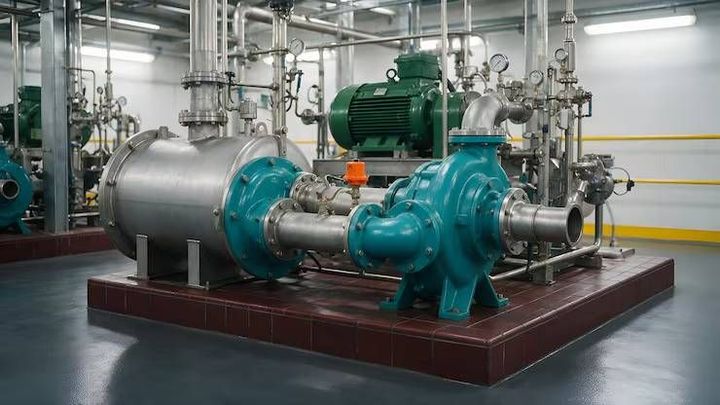
Hydraulic Power Devices Tips: Discover Important Factors in Hydraulic System Operation
Hydraulic power devices use pressurized fluid to transfer energy and produce controlled movement. They are widely used in industrial machinery, mobile equipment, manufacturing systems, lifting equipment, and many other applications where controlled force and motion are required.
Understanding hydraulic power devices helps operators, technicians, engineers, and students recognize how pumps, valves, cylinders, motors, reservoirs, filters, and fluid systems work together. Proper hydraulic system operation depends on pressure, flow, temperature, fluid condition, component selection, and regular inspection.
Context – Understanding Hydraulic Power Devices
Hydraulic power devices are components that generate, control, transmit, or convert hydraulic energy. A typical hydraulic system begins with a pump that moves hydraulic fluid from a reservoir into a pressurized circuit. Valves then direct and regulate the fluid before it reaches an actuator.
Hydraulic cylinders convert fluid pressure into linear movement, while hydraulic motors convert hydraulic energy into rotary movement. Filters help control contamination, and reservoirs provide a place for fluid storage, cooling, and air separation.
The main components commonly found in hydraulic systems include:
- Hydraulic pumps for fluid movement
- Control valves for directing and regulating flow
- Cylinders for linear motion
- Hydraulic motors for rotary motion
- Reservoirs for storing hydraulic fluid
- Filters for controlling contamination
- Hoses and pipes for fluid transfer
- Pressure-control devices for managing system pressure
The purpose of these components is not simply to generate force. They must work together within suitable pressure, flow, temperature, and contamination limits.
| Component | Main Function | Important Factor |
|---|---|---|
| Pump | Moves hydraulic fluid | Flow and pressure |
| Valve | Controls fluid direction or pressure | Response and rating |
| Cylinder | Produces linear movement | Bore and stroke |
| Motor | Produces rotary movement | Torque and speed |
| Filter | Removes contaminants | Filtration level |
| Reservoir | Stores and conditions fluid | Capacity and cooling |
| Hose | Transfers fluid | Pressure and temperature rating |
Importance – Why Hydraulic Operation Matters
Correct hydraulic system operation affects equipment performance, reliability, safety, and energy use. A system operating outside its intended pressure or temperature range can experience accelerated component wear or unexpected shutdowns.
Pressure and flow should not be treated as interchangeable measurements. Pressure is related to resistance and force, while flow is associated with actuator speed. A cylinder may require sufficient pressure to generate force while also requiring an appropriate flow rate to achieve the desired movement speed.
Hydraulic power devices are particularly important in applications where controlled movement and high force are required. Examples include:
- Material-handling equipment
- Construction machinery
- Agricultural machinery
- Manufacturing equipment
- Industrial presses
- Injection molding systems
- Mobile hydraulic equipment
- Lifting and positioning systems
Contamination is another important consideration. Particles, water, degraded fluid, and other contaminants can affect valves, pumps, seals, and other precision components.
Temperature also matters because hydraulic fluid properties can change as temperature changes. Excessive heat may accelerate fluid degradation and affect seals and other components.
Recent Updates – Trends in Hydraulic Systems
Modern hydraulic systems increasingly combine traditional hydraulic components with electronic monitoring and automated controls. Sensors can measure parameters such as pressure, temperature, flow, position, and fluid condition.
Electro-hydraulic systems use electronic signals to control hydraulic valves and actuators. This approach can provide more precise control than purely mechanical arrangements when properly designed and configured.
Another development is condition monitoring. Sensors and control systems can collect operating data that helps identify unusual pressure changes, excessive temperatures, or other indications of abnormal operation.
Energy efficiency is also receiving increased attention. Variable-displacement pumps, load-sensing arrangements, improved valve technology, and electronic controls can help match hydraulic output more closely with operating requirements.
Some current areas of development include:
- Digital hydraulic monitoring
- Sensor-based condition assessment
- Variable-speed pump drives
- Electro-hydraulic control
- Improved fluid filtration
- Reduced-leakage component designs
- Energy-efficient hydraulic circuits
These developments do not eliminate the need for proper maintenance. Instead, they provide additional information for understanding how equipment is operating.
Laws or Policies – Hydraulic Safety and Compliance
Hydraulic equipment can be subject to workplace safety requirements, machinery regulations, pressure-equipment rules, environmental requirements, and manufacturer specifications. The applicable requirements depend on the equipment, location, industry, and system design.
In the United States, workplace requirements may involve the Occupational Safety and Health Administration (OSHA), while technical standards can come from organizations such as the International Organization for Standardization (ISO) and the American National Standards Institute (ANSI).
In the European Union, machinery and pressure-related requirements may apply depending on the equipment and its configuration. Other countries have their own occupational safety and machinery frameworks.
Important compliance considerations can include:
- Pressure ratings of hydraulic components
- Guarding of moving parts
- Safe isolation before maintenance
- Proper handling of pressurized fluid
- Hose and fitting specifications
- Environmental handling of hydraulic fluids
- Equipment documentation and operating instructions
Hydraulic pressure can remain trapped even after a machine has stopped. Appropriate isolation and pressure-release procedures should therefore be followed before maintenance or component removal.
Because requirements vary by jurisdiction and equipment type, users should consult the applicable government regulations, recognized technical standards, and equipment documentation for their specific system.
Tools and Resources – Helpful Hydraulic References
Several types of resources can help users understand hydraulic power devices and system operation.
Manufacturer documentation can provide component specifications, hydraulic diagrams, pressure ranges, fluid requirements, installation instructions, and maintenance information. Technical standards can provide terminology, testing methods, safety principles, and component requirements.
Useful resources may include:
- Hydraulic circuit diagrams
- Pressure and flow calculators
- Cylinder force calculators
- Pump displacement references
- Fluid selection guides
- Filtration references
- Maintenance checklists
- Equipment manuals
- Technical standards databases
A basic hydraulic calculation can help illustrate the relationship between pressure and force. For an ideal hydraulic cylinder, force is approximately related to pressure multiplied by effective piston area. Actual systems can have losses caused by friction, leakage, pressure drops, and component efficiency.
Digital monitoring tools can also help record operating conditions. When used correctly, historical measurements can make it easier to identify changes in system behavior.
FAQs – Hydraulic Power Devices and System Operation
What are hydraulic power devices?
Hydraulic power devices are components that generate, control, transmit, or convert hydraulic energy. Pumps, valves, cylinders, motors, filters, and related components are common examples.
Why are pressure and flow important?
Pressure is associated with the force a hydraulic actuator can produce, while flow generally affects actuator speed. Both need to remain within the specified operating range of the equipment.
What can cause hydraulic system problems?
Common factors include contamination, incorrect fluid levels, excessive temperature, unsuitable pressure, restricted flow, air entering the system, component wear, and incorrect installation.
How can hydraulic systems be monitored?
Pressure gauges, temperature sensors, flow measurement devices, electronic sensors, and condition-monitoring systems can provide information about system operation.
Why is hydraulic fluid condition important?
Hydraulic fluid transfers energy and also contributes to lubrication, cooling, and contamination control. Changes in fluid condition can affect component performance and system reliability.
Conclusion – Key Hydraulic System Operation Insights
Hydraulic power devices work as an interconnected system in which pressure, flow, temperature, fluid condition, and component specifications all influence operation. Understanding these factors provides a useful foundation for working with hydraulic equipment safely and effectively.
Regular inspection, appropriate fluid management, contamination control, and adherence to equipment documentation can help maintain predictable hydraulic operation. Modern sensors and electronic controls are also expanding the ability to monitor hydraulic systems and understand operating conditions.
For anyone learning about hydraulic systems, the most useful starting point is understanding how the pump, valves, actuators, reservoir, filters, and fluid circuit interact. From there, pressure-flow relationships and system-specific safety requirements provide a stronger foundation for further study.

You May Also Like