Moulding Machines Facts: Learn About Plastic, Metal, Rubber, and Industrial Moulding
Moulding machines are industrial systems used to shape materials into defined forms through controlled pressure, heat, force, or a combination of these processes. They are used with materials such as plastics, metals, rubber, composites, and other industrial compounds.
Understanding moulding machines involves learning about their working principles, machine types, mould designs, material behaviour, production controls, and safety requirements. This guide provides factual information about plastic, metal, rubber, and industrial moulding for readers who want to understand the basics and recent developments.
Context – Understanding Moulding Machines
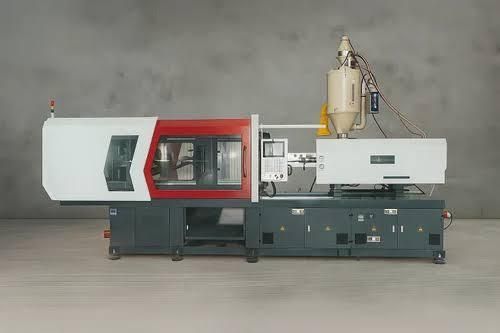
A moulding machine generally combines a machine structure, mould or die, material-feeding mechanism, control system, and mechanisms that apply pressure or force. The exact configuration depends on the material and moulding method.
Plastic moulding commonly involves heating a polymer until it reaches a suitable processing state before it is shaped inside a mould. Injection moulding, blow moulding, compression moulding, and rotational moulding are examples of plastic-processing methods.
Metal moulding and forming can involve molten metal, heated material, or solid metal blanks. Processes such as die casting, metal injection moulding, and various forming methods use specialised equipment designed for particular materials and shapes.
Rubber moulding uses heat and pressure to shape and cure rubber compounds. Compression, transfer, and injection moulding are commonly associated with rubber components.
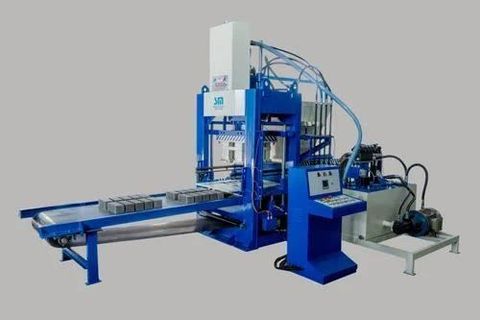
Industrial moulding machines vary significantly in size and configuration. Some systems are designed for small precision components, while others handle large industrial parts.
| Moulding type | Common material | Basic principle | Typical applications |
|---|---|---|---|
| Injection moulding | Thermoplastics | Material injected into mould | Components, housings, containers |
| Compression moulding | Rubber, thermosets | Material compressed in heated mould | Seals, electrical parts |
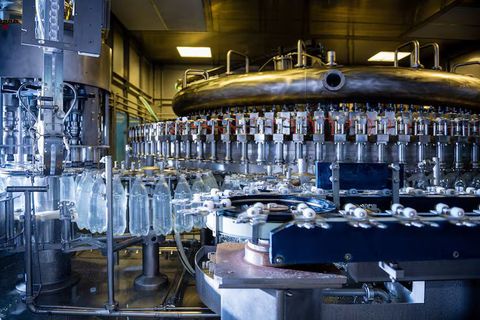
| Blow moulding | Plastics | Air expands heated material | Bottles, hollow containers |
| Die casting | Metals | Molten metal enters die | Metal components |
| Rotational moulding | Plastics | Heated material rotates inside mould | Tanks, containers |
| Rubber injection moulding | Rubber compounds | Compound injected and cured | Seals, automotive parts |
Importance – Why Moulding Machines Matter
Moulding technology is important because it allows manufacturers to produce parts with repeatable shapes and controlled dimensions. The appropriate machine depends on material characteristics, component geometry, production requirements, and mould design.
For plastics, machine settings can influence filling behaviour, cooling, shrinkage, and dimensional stability. Injection pressure, temperature, holding pressure, cooling time, and material preparation are among the variables that may require control.
For rubber, temperature, pressure, curing time, compound formulation, and mould configuration influence the resulting component.
Metal moulding and casting processes require additional attention to material temperature, mould or die conditions, solidification behaviour, and dimensional tolerances.
Moulding machines affect several areas of industrial production, including:
- Automotive components
- Packaging products
- Electrical and electronic components
- Medical and laboratory equipment
- Household products
- Construction components
- Industrial equipment
- Consumer products
The mould itself is also important. Its cavity geometry, cooling channels, vents, gates, and material selection can influence production results.
Recent Updates – Trends and Developments
Modern moulding equipment increasingly incorporates electronic controls, sensors, automation, data collection, and energy-management technologies. These developments allow machine operators and engineers to monitor important processing parameters more closely.
One significant development is the increasing use of sensors. Sensors can monitor variables such as pressure, temperature, position, force, and cycle conditions. Machine-control systems can then use this information to maintain defined operating parameters.
Automation is another important area. Robotic systems can assist with part removal, material handling, inspection, and other repetitive production activities. Automated systems can also be integrated with quality-control equipment.
Digital monitoring is becoming more common in industrial environments. Production data can help identify variations in machine performance, cycle conditions, and maintenance requirements.
Energy efficiency is also receiving attention. Improvements can include variable-speed drives, improved heating systems, hydraulic-system optimisation, electric machine architectures, and better process control.
Additive manufacturing and advanced mould technologies are also influencing mould development. Rapid prototyping can help engineers evaluate component geometry before conventional mould production begins.
However, the suitability of a technology depends on the material, component design, production volume, required precision, and operating environment.
Laws or Policies – Safety and Environmental Considerations
Moulding-machine operations are subject to workplace safety, environmental, chemical, electrical, and product-specific requirements that vary by country and application.
Machine guarding is an important safety consideration. Moving platens, moulds, injection mechanisms, ejectors, rotating equipment, and other mechanical systems can create hazards if appropriate safeguards are not used.
Operators may also encounter hot surfaces, heated materials, hydraulic pressure, electrical equipment, fumes, and compressed air. Risk assessments and appropriate protective procedures are therefore important.
In the United States, workplace machinery requirements are addressed through regulations and guidance from the Occupational Safety and Health Administration (OSHA). European machinery placed on the market may be subject to applicable European Union machinery and product-safety legislation.
Environmental requirements can also affect moulding operations. Plastic processing may involve material waste, emissions, energy consumption, and recycling considerations. Metal and rubber processing can involve additional requirements related to waste handling and industrial emissions.
Manufacturers and operators should consult the regulations applicable to their country, industry, machine type, and material. Requirements can change over time, so current official regulatory sources should be checked before making compliance decisions.
Tools and Resources – Learning and Technical Information
Several resources can help readers understand moulding machines and industrial processing.
Useful information sources include:
- Machine manufacturer technical manuals
- Mould-design references
- Material manufacturer datasheets
- Workplace safety guidance
- Engineering standards
- Polymer-processing references
- Industrial training materials
- Technical papers and research publications
Material datasheets are particularly useful because they can provide information about processing temperatures, mechanical characteristics, drying requirements, and other material-specific properties.
For plastic injection moulding, engineers may also use mould-flow simulation software to study filling, cooling, pressure requirements, and potential defects. Computer-aided design software is commonly used to develop component and mould geometries.
Machine manuals provide another important source of information. They typically explain operating controls, maintenance procedures, machine specifications, safety precautions, and troubleshooting information.
When evaluating technical information, readers should check the publication date, material grade, machine model, and applicable standards because processing requirements can differ considerably between applications.
FAQs – Moulding Machines
What is a moulding machine?
A moulding machine is industrial equipment used to shape a material into a defined form using a mould, die, pressure, heat, or a combination of these methods.
What materials can moulding machines process?
Depending on the machine and process, materials can include thermoplastics, thermosetting polymers, rubber compounds, metals, composites, and other specialised materials.
What is plastic injection moulding?
Plastic injection moulding is a process in which plastic material is heated to a suitable processing state and injected into a mould cavity. The material then cools or solidifies before the finished part is removed.
How does rubber moulding differ from plastic moulding?
Rubber moulding generally involves shaping and curing a rubber compound under controlled heat and pressure. Plastic moulding may involve melting or softening thermoplastic material before it enters the mould.
Why is mould design important?
Mould design affects material flow, cooling, part dimensions, surface characteristics, cycle conditions, and the ability to remove the finished component. Appropriate mould design is therefore an important part of the overall process.
Conclusion – Key Facts to Remember
Moulding machines are used across many industries to shape plastics, rubber, metals, and other materials into defined components. Different processes require different machine configurations, mould designs, temperatures, pressures, and control methods.
Recent developments include greater automation, sensor-based monitoring, digital controls, improved energy management, and advanced simulation tools. Understanding the material, mould, machine, process conditions, and applicable safety requirements provides a useful foundation for learning about industrial moulding.
For anyone studying moulding technology, starting with the basic process principles can make more advanced subjects easier to understand. Technical manuals, material datasheets, engineering references, and official safety information can provide additional technical knowledge for specific applications.
Moulding technology continues to develop as industries seek greater process control, improved resource efficiency, and increasingly precise components. Its applications range from everyday plastic products to specialised automotive, electrical, medical, construction, and industrial components.