PCB Machine Basics: Key Concepts for Electronics Manufacturing
Printed Circuit Board (PCB) machines are specialized industrial systems used in electronics manufacturing to produce and assemble circuit boards. A printed circuit board provides the structural and electrical foundation for electronic components such as microchips, resistors, capacitors, and connectors.
PCB manufacturing equipment is used to produce printed circuit boards that power electronic devices such as smartphones, computers, automotive systems, and medical equipment. These machines perform precise operations to connect electronic components through conductive pathways on a board.
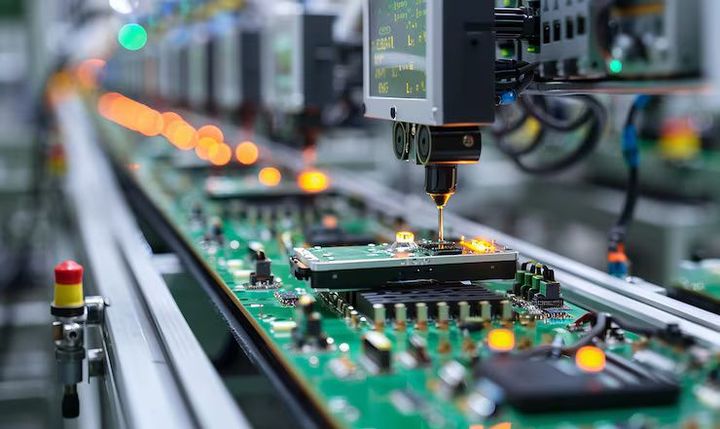
Modern PCB systems support multiple production stages, including fabrication, surface mount technology (SMT) assembly, component placement, soldering, and inspection. Automation ensures high accuracy and consistent quality in electronics manufacturing.
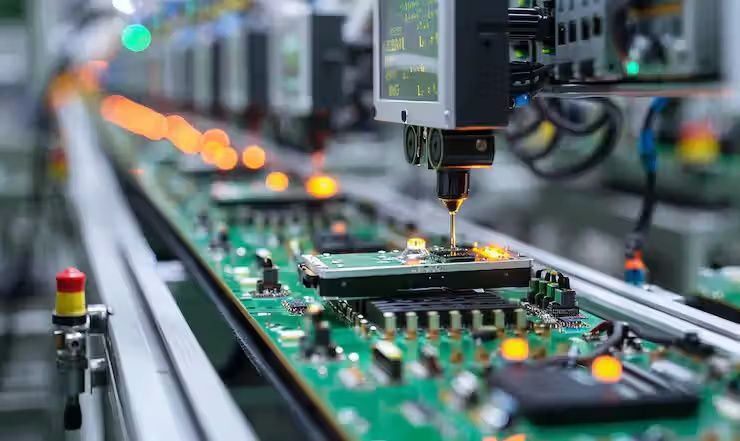
Importance of PCB Machines
PCB machines are essential to the global electronics ecosystem. Nearly all digital devices rely on circuit board manufacturing.
Electronics Production Efficiency
Automated systems enable high-speed production while maintaining precision. Machines can place thousands of components per hour with consistent quality.
Precision and Reliability
SMT assembly machines ensure accurate placement of micro-components using computer-controlled systems. This is critical for reliable circuit performance.
Industry Applications
PCB manufacturing supports multiple industries:
- Consumer electronics
- Automotive systems
- Telecommunications
- Medical devices
- Aerospace technology
Scalability
Automation allows manufacturers to increase production output efficiently without compromising quality.
Key PCB Machine Types
Solder Paste Printer
Applies solder paste to specific areas of the PCB, preparing it for component placement.
Pick and Place Machine
Uses robotic systems to position electronic components accurately on the board.
Reflow Oven
Heats the board to melt solder paste, forming permanent electrical connections.
PCB Drilling Machine
Creates holes for component leads and conductive pathways during fabrication.
Automated Optical Inspection (AOI)
Uses cameras and software to detect defects such as misalignment or missing components.
PCB Production Process Overview
| Manufacturing Stage | Machine Used | Purpose |
|---|---|---|
| PCB Design | CAD software | Circuit layout creation |
| Solder Paste Application | Solder paste printer | Prepares board for components |
| Component Placement | Pick and place machine | Positions components |
| Soldering | Reflow oven | Creates electrical connections |
| Quality Inspection | AOI system | Detects defects |
This structured process ensures reliability and consistency in electronic devices.
Recent Updates and Trends (2025–2026)
PCB manufacturing has seen several advancements in recent years.
Key Developments
- AI in inspection: Improved defect detection using AI-based AOI systems
- Miniaturization: Increased demand for compact, high-density PCB designs
- Smart factories: Integration with Industry 4.0 systems for real-time monitoring
- Automotive growth: Rising demand from electric vehicle electronics
These trends reflect the growing complexity and scale of electronics production.
Laws and Policies
PCB manufacturing is governed by environmental and industrial regulations.
Key Regulatory Areas
- Restriction of Hazardous Substances (RoHS) limiting harmful materials
- Waste Electrical and Electronic Equipment (WEEE) guidelines for disposal
- Industrial safety standards for machine operation and chemical handling
These regulations ensure safe and environmentally responsible manufacturing.
Tools and Resources
PCB Design Software
- Altium Designer
- KiCad
Simulation and Testing Tools
- Circuit simulation platforms
- Thermal analysis software
- Signal integrity calculators
Manufacturing Planning Tools
- SMT line balancing calculators
- PCB panelization templates
- Production scheduling software
Inspection and Analysis Tools
- Automated optical inspection systems
- X-ray inspection technology
- Defect analysis software
These tools help engineers design, test, and optimize PCB production processes.
Advantages of Automated PCB Machines
| Benefit | Explanation |
|---|---|
| High Precision | Accurate placement of micro-components |
| Consistency | Uniform production quality |
| Speed | Rapid assembly of circuit boards |
| Scalability | Suitable for large-scale production |
| Quality Control | Automated inspection reduces defects |
This table highlights why automation is critical in electronics manufacturing.
Frequently Asked Questions
What is a PCB machine?
A PCB machine is equipment used to fabricate and assemble printed circuit boards in electronics manufacturing.
What does a pick and place machine do?
It automatically positions electronic components onto a circuit board during SMT assembly.
Why is automated optical inspection important?
AOI systems detect defects and ensure reliability in electronic devices.
What industries use PCB manufacturing equipment?
Industries such as telecommunications, automotive, consumer electronics, and healthcare rely on PCB production.
What role does SMT play?
Surface mount technology allows compact designs by mounting components directly onto the board.
Conclusion
PCB manufacturing equipment is fundamental to modern electronics production. It enables precise, efficient, and scalable creation of circuit boards used in everyday devices and advanced technologies.
Recent advancements in AI, smart factory integration, and miniaturization continue to shape the industry. Understanding PCB machines and processes provides insight into the technologies that support global electronics innovation.

You May Also Like