Rotary Kiln Introduction: Learn the Basics of Industrial Kiln Technology
Rotary kiln technology is widely used in modern industries that require controlled high-temperature processing of raw materials.
From cement manufacturing to mining and chemical processing, rotary kilns help transform materials through heating, drying, calcination, or thermal treatment. Understanding how these systems work provides valuable knowledge for students, engineers, manufacturers, and anyone interested in industrial production.
This guide explains the basics of rotary kiln technology, its purpose, importance, recent developments, regulatory considerations, and useful resources. The information is presented in a simple, educational format to help readers build a clear understanding of this essential industrial equipment.
Context – What Is a Rotary Kiln?
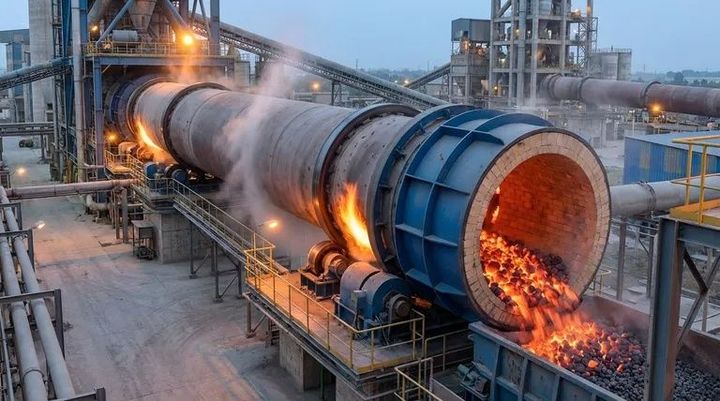
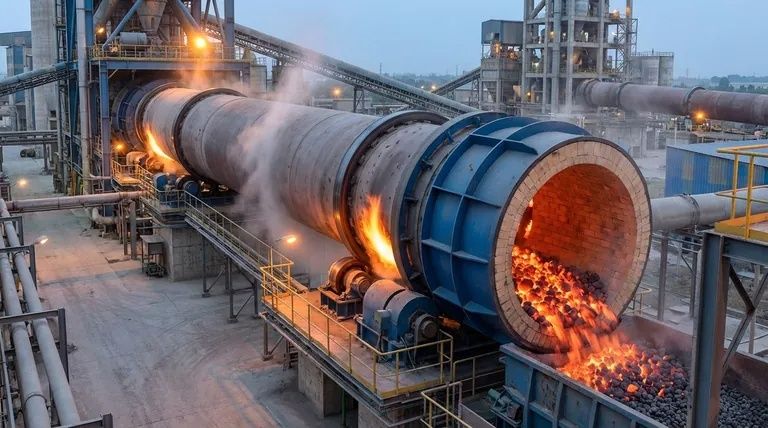
A rotary kiln is a large cylindrical furnace that rotates slowly while processing materials at high temperatures. It is typically installed at a slight incline, allowing raw materials to move gradually from the feed end to the discharge end as the cylinder rotates.
The primary purpose of a rotary kiln is to apply controlled heat so that physical or chemical changes occur within the material. Depending on the industry, this process may involve drying, calcination, roasting, sintering, or thermal decomposition.
Industries that commonly use rotary kiln systems include:
- Cement manufacturing
- Lime production
- Mining and mineral processing
- Chemical manufacturing
- Environmental waste treatment
- Metallurgical processing
A typical rotary kiln consists of several important components.
| Component | Purpose |
|---|---|
| Kiln Shell | Rotating steel cylinder where processing occurs |
| Refractory Lining | Protects the shell from extreme temperatures |
| Burner System | Generates the required heat |
| Drive System | Rotates the kiln at a controlled speed |
| Support Rollers | Support the weight of the rotating shell |
| Feed and Discharge Ends | Allow material to enter and exit the kiln |
How a Rotary Kiln Works
Raw materials enter one end of the rotating cylinder. As the kiln turns, gravity and rotation move the material slowly through different temperature zones.
During this journey, heat causes moisture removal, chemical reactions, or structural changes depending on the processing objective. Once treatment is complete, the processed material exits the discharge end for cooling or further manufacturing.
Importance – Why Rotary Kilns Matter
Rotary kiln technology plays a significant role in industrial production because many manufacturing processes require consistent heating under carefully controlled conditions.
Without rotary kilns, producing materials such as cement clinker, quicklime, and certain processed minerals would be much more difficult. Their continuous operation supports large-scale manufacturing while maintaining process consistency.
Industries benefit from rotary kilns because they help:
- Maintain stable processing temperatures
- Handle large production volumes
- Improve product consistency
- Support continuous industrial operations
- Process a wide variety of materials
The importance of rotary kilns extends beyond manufacturing facilities. Construction projects, infrastructure development, transportation systems, mining operations, and environmental management all depend on materials that are processed using kiln technology.
Modern rotary kiln systems also contribute to improved operational efficiency through automation, advanced sensors, and digital monitoring. These developments allow operators to better control temperatures, fuel usage, and process conditions.
Common Industrial Applications
Rotary kiln technology is used across numerous sectors.
- Cement clinker production
- Lime calcination
- Iron ore processing
- Alumina production
- Titanium dioxide manufacturing
- Activated carbon processing
- Hazardous material thermal treatment
- Mineral roasting
Each application requires different operating temperatures, retention times, and material handling methods, making kiln design an important part of industrial engineering.
Recent Updates – Trends and Developments from 2024–2026
Between 2024 and 2026, rotary kiln technology has continued to evolve as industries focus on energy efficiency, emissions reduction, and digital process management.
Manufacturers are increasingly integrating smart monitoring systems that collect operational data in real time. Sensors measure temperature, pressure, vibration, and rotational performance, helping operators identify maintenance needs before unexpected shutdowns occur.
Another important trend is the growing use of artificial intelligence and predictive analytics. These technologies analyze operational patterns to improve process stability and reduce equipment wear.
Energy efficiency has also become a major priority. Many facilities are upgrading burner technologies, improving insulation materials, and recovering waste heat to reduce overall energy consumption.
Additional developments include:
- Advanced refractory materials with longer operating life
- Improved combustion control systems
- Digital twin technology for process simulation
- Remote monitoring through industrial automation platforms
- Greater integration with Industry 4.0 manufacturing systems
Environmental sustainability continues to influence rotary kiln development as industries seek practical methods to reduce emissions while maintaining production quality.
Laws or Policies – Regulations and Government Considerations
Rotary kiln operations are generally subject to industrial safety, environmental, and emissions regulations. Requirements vary by country, but most industrial facilities must comply with national environmental standards and workplace safety rules.
Common regulatory areas include:
- Air emission monitoring
- Dust control systems
- Worker health and safety practices
- Energy efficiency initiatives
- Industrial waste management
- Equipment inspection requirements
Facilities may also follow internationally recognized management systems that support environmental responsibility and quality management.
Examples include:
- ISO 9001 for quality management
- ISO 14001 for environmental management
- ISO 45001 for occupational health and safety
Government agencies often establish emission limits for particulate matter, nitrogen oxides, sulfur oxides, and other industrial pollutants. Environmental monitoring helps facilities demonstrate compliance with applicable regulations.
Organizations operating rotary kilns should regularly review updated regulations because environmental requirements continue to evolve as new technologies become available.
Tools and Resources
Several educational and technical resources can help individuals learn more about rotary kiln technology and industrial thermal processing.
Useful resources include:
- Engineering handbooks covering kiln design
- Industrial equipment manufacturer documentation
- University research publications
- Materials science journals
- Government environmental guidance documents
- Industrial standards organizations
Helpful planning tools may include:
- Heat balance calculation worksheets
- Energy consumption calculators
- Preventive maintenance checklists
- Refractory inspection templates
- Process monitoring dashboards
These resources support engineers, students, researchers, and plant operators in understanding kiln performance and operational best practices.
FAQs
What is the main purpose of a rotary kiln?
A rotary kiln is designed to heat materials under controlled conditions so they undergo drying, calcination, roasting, sintering, or other thermal processes required in industrial manufacturing.
Which industries commonly use rotary kiln technology?
Rotary kilns are widely used in cement production, mining, metallurgy, chemical manufacturing, lime processing, mineral treatment, and environmental applications.
How hot can a rotary kiln operate?
Operating temperatures depend on the application. Many industrial rotary kilns function between approximately 800°C and 1,500°C, although specific processes may require different temperature ranges.
Why is the kiln installed at an angle?
The slight incline allows materials to move gradually through the rotating cylinder while receiving uniform heating throughout the processing cycle.
What recent technologies are improving rotary kiln performance?
Recent developments include smart sensors, predictive maintenance software, artificial intelligence, digital process monitoring, improved refractory materials, and more efficient combustion systems.
Conclusion
Rotary kiln technology remains an essential part of many industrial manufacturing processes because it provides reliable and controlled thermal treatment for a wide variety of materials. Its versatility makes it valuable across sectors including cement, mining, chemicals, metallurgy, and environmental processing.
As industrial technology continues to advance, rotary kilns are becoming more energy efficient, digitally connected, and environmentally responsible. These improvements support safer operations, better process control, and more sustainable manufacturing practices.
Understanding the basics of rotary kiln systems helps readers appreciate their role in modern industry and the technologies shaping future industrial production.
Learning about current developments, regulations, and technical resources also provides a strong foundation for anyone interested in industrial kiln technology or thermal processing systems.