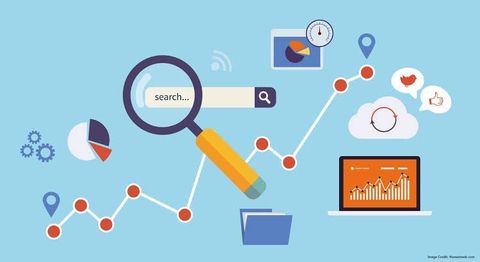
SEO and Digital Marketing Overview of Search Engines and Online Promotion
Search engine optimization (SEO) and digital marketing help people understand how information is discovered and shared online.
Search engines organize web pages so users can find relevant information, while digital marketing includes different methods of reaching audiences through online channels. Together, these practices support website visibility, audience engagement, and the distribution of useful content.
Understanding SEO and digital marketing is important for website owners, content creators, students, and organizations. By learning how search engines work, how online promotion operates, and which policies apply, readers can make informed decisions about digital communication and develop a clearer understanding of the online environment.
Context
SEO is the process of improving a website so that search engines can discover, understand, and present its pages in relevant search results. It involves technical website improvements, useful content, descriptive page titles, internal links, and a clear website structure. SEO focuses primarily on organic search visibility rather than paid advertisements.
Digital marketing is a broader field that includes SEO, search advertising, social media marketing, email communication, online video, and content distribution. Each channel has different purposes, audiences, and measurement methods.
Search engines generally use three main stages to organize information:
Crawling: Automated programs discover pages and follow links.
Indexing: Search engines analyze and store information about eligible pages.
Ranking: Systems evaluate relevant pages and order results for a particular search.
A page is not guaranteed to appear in search results simply because it has been published. Accessibility, technical issues, content quality, and search engine policies can affect its visibility.
Digital marketing builds on this process by helping organizations communicate relevant information through suitable online channels. Its purpose may include increasing awareness, explaining a topic, encouraging participation, or directing people toward helpful resources.
Importance
SEO and digital marketing matter because people increasingly use online platforms to research questions, compare information, learn skills, and explore organizations. A clear website structure and relevant content can make information easier to discover and understand.
These practices affect several groups:
Website owners who want their content to reach relevant audiences.
Writers and editors who prepare accurate, useful online information.
Small organizations that need to understand audience behavior.
Students and professionals learning digital communication.
Consumers who depend on search results and online advertisements to discover information.
SEO can support long-term visibility, although results vary according to competition, website quality, search demand, and other factors. Paid search advertising can provide visibility in designated advertising placements, but its performance depends on campaign settings, relevance, competition, and audience response.
Digital marketing also provides measurable information. Website analytics can show which pages attract visitors, which channels contribute to traffic, and where users leave a website. These measurements help identify areas for improvement.
However, traffic alone does not establish whether a website is useful. Accuracy, accessibility, privacy, and user satisfaction should remain important considerations.
Recent Updates
Search engines and digital marketing platforms continue to develop as user expectations, technology, and online behavior change. Several developments influence current SEO practices.
First, search engines increasingly use artificial intelligence and machine learning to interpret queries, identify relevant information, and improve the presentation of results. AI-generated search summaries and conversational search features can change how users discover websites. Their availability and presentation vary by platform and region.
Second, content quality remains an important consideration. Websites should provide original information, explain topics clearly, and demonstrate appropriate expertise. Producing large amounts of repetitive content primarily to influence rankings can create quality and policy concerns.
Third, mobile usability, page performance, secure connections, and accessibility remain relevant to website management. A page should function properly across common devices and allow visitors to navigate its information easily.
Fourth, marketers increasingly use first-party analytics and privacy-conscious measurement practices. Changes in browser technology, privacy regulations, and platform policies affect how audience activity can be measured.
Finally, automation tools can assist with keyword research, content planning, and reporting. Human review remains necessary to verify facts, correct errors, protect confidential information, and ensure that published content provides genuine value.
Laws or Policies
SEO and online promotion operate within a framework of search engine guidelines, advertising policies, privacy rules, and consumer protection requirements. The exact obligations depend on the audience, location, industry, and type of activity.
Search engine guidelines generally discourage practices intended to manipulate rankings through deceptive methods. Examples include cloaking, hidden text, link schemes, and automatically generated pages that provide little useful information. Website publishers should review the relevant search engine's current spam policies.
Paid advertising platforms also apply rules concerning misleading claims, prohibited content, destination quality, and the use of personal information. Advertisements should accurately represent the content or activity they describe.
In India, several legal frameworks may be relevant:
The Digital Personal Data Protection Act, 2023, establishes a framework for processing digital personal data, subject to its applicable provisions and commencement arrangements.
The Consumer Protection Act, 2019, addresses consumer rights and unfair trade practices.
The Consumer Protection Act's associated 2022 guidelines on misleading advertisements and endorsements establish relevant standards for advertising communications.
The Information Technology Act, 2000, and applicable rules may also affect certain online activities.
Organizations should determine which requirements apply to their particular operations. International campaigns may involve additional privacy, advertising, and consumer protection laws. This overview is educational and does not replace professional legal guidance.
Tools and Resources
A range of tools can help users understand search performance, improve website structure, plan content, and evaluate digital marketing activities. Different tools provide different types of information, so results should be interpreted in context.
| Tool or resource | Main purpose |
|---|---|
| Google Search Console | Reviews search visibility, indexing information, and website search performance |
| Google Analytics | Measures website activity and audience interactions |
| Google Trends | Explores changes in search interest over time |
| Bing Webmaster Tools | Provides information about website performance in Bing search |
| PageSpeed Insights | Evaluates page performance and presents improvement suggestions |
| Keyword research platforms | Identify related search terms and estimate keyword demand |
| Content management systems | Help publish, organize, and maintain website content |
| Social media analytics | Measures engagement and content performance across supported platforms |
Useful practices include checking indexing problems, reviewing important landing pages, monitoring relevant search queries, and maintaining accurate page descriptions.
Keyword research should identify the questions and terminology used by the intended audience. Keywords should be incorporated naturally rather than repeated excessively. Similarly, analytics reports should be interpreted alongside content quality, audience needs, and the objectives of each campaign.
A practical learning routine may include reviewing search performance monthly, checking technical issues regularly, and updating older articles when reliable information changes.
FAQs
1. What is SEO in digital marketing?
SEO is the practice of improving website structure, content, and technical accessibility so search engines can understand pages and potentially display them in relevant organic search results.
2. How do search engines find website content?
Search engines use automated crawlers to discover accessible pages, analyze their content, and potentially add them to an index. Ranking systems then determine which indexed pages are relevant to particular searches.
3. What is the difference between SEO and online advertising?
SEO focuses on organic search visibility, while online advertising uses paid placements across search engines and other digital platforms. Both require relevant content, clear communication, and appropriate measurement.
4. Which tools help beginners learn SEO?
Google Search Console, Google Trends, Google Analytics, Bing Webmaster Tools, and PageSpeed Insights can help beginners understand search visibility, website activity, audience interests, and technical performance.
5. How can a website follow SEO and advertising policies?
Publish accurate and useful content, avoid deceptive ranking practices, make advertising claims that can be substantiated, respect applicable privacy requirements, and review the current policies of relevant platforms.
Conclusion
SEO and digital marketing provide complementary ways to make online information easier to discover, understand, and evaluate. Search engines organize relevant web pages, while digital marketing connects information with audiences through multiple digital channels.
Effective practices begin with useful content, accessible website design, accurate information, and clear communication. Technical improvements and analytics can help identify opportunities, but outcomes depend on many factors and cannot be assured.
A thoughtful approach also requires awareness of changing technology, platform guidelines, and applicable laws. By combining practical learning with responsible publishing, website owners and digital marketing professionals can develop a stronger understanding of online promotion and search engine visibility.