Coating Machine Explanation: Discover How Modern Coating Systems Work
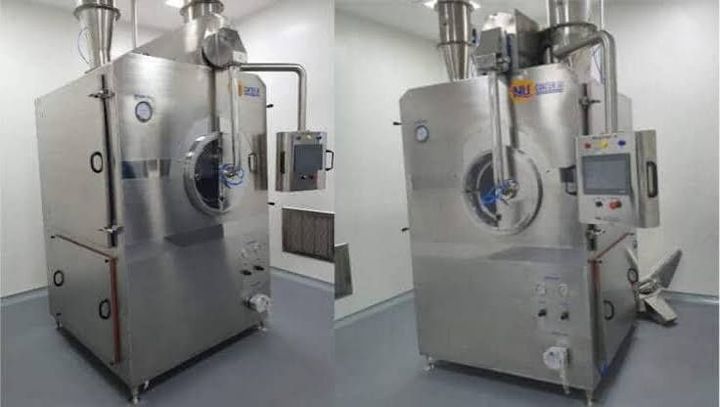
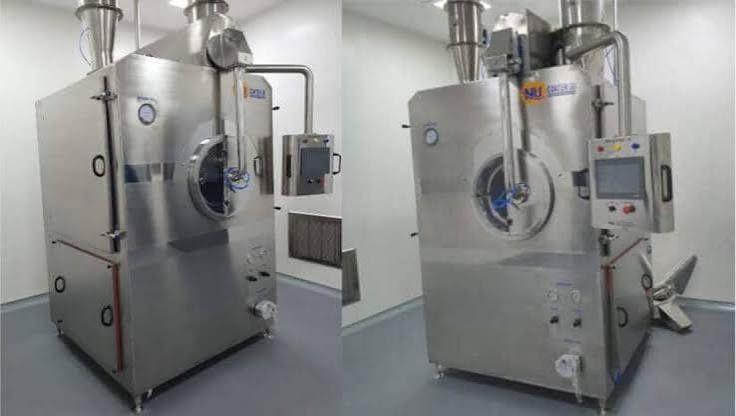
Coating machines are industrial systems designed to apply a controlled layer of material onto a surface.
Depending on the process, the coating may protect a component, improve its appearance, change surface properties, or provide resistance to corrosion, heat, moisture, chemicals, or wear.
Modern coating systems combine material handling, application equipment, surface preparation, drying or curing, and process controls. Understanding how a coating machine works can help readers recognize the main machine types, operating stages, safety considerations, and recent technology developments.
Context
A coating machine applies a liquid, powder, film, or other material to a substrate in a controlled manner. The substrate may be metal, plastic, paper, glass, wood, fabric, or another engineered material. The exact machine configuration depends on the coating material, substrate, required thickness, production method, and curing process.
The basic purpose is to create a consistent coating layer. Industrial coating can be used for corrosion protection, electrical insulation, friction control, surface hardness, decoration, moisture resistance, or improved chemical performance.
Common coating machine types include:
- Roll coating systems
- Spray coating machines
- Dip coating equipment
- Curtain coating systems
- Powder coating systems
- Blade coating machines
- Slot-die coating systems
- Coil coating lines
A typical process can be represented as:
Surface preparation → Material preparation → Coating application → Thickness control → Drying or curing → Inspection
The coating material may be applied continuously or to individual components. Continuous systems are common for materials such as metal sheets, films, paper, and flexible substrates, while batch systems can be used for individual parts.
| Coating method | Basic principle | Typical applications |
|---|---|---|
| Spray coating | Material is atomized and deposited | Metal parts, vehicles, equipment |
| Roll coating | Roll transfers material to a surface | Sheet materials, films, panels |
| Dip coating | Component is immersed in coating material | Small and complex components |
| Powder coating | Powder is deposited and cured | Metal components and frames |
| Slot-die coating | Controlled liquid film is dispensed through a slot | Films, batteries, electronics |
| Curtain coating | Material forms a falling curtain over the substrate | Panels, boards, decorative surfaces |
Importance
A coating machine matters because coating uniformity can directly affect the performance and durability of a finished component. Uneven thickness, poor surface preparation, incorrect drying, or contamination can produce defects such as pinholes, cracking, blistering, peeling, or uneven appearance.
The process can affect several groups, including manufacturing engineers, machine operators, quality teams, maintenance personnel, product designers, and environmental and safety professionals.
Important process variables include:
- Coating thickness
- Application speed
- Material viscosity
- Surface temperature
- Drying or curing temperature
- Airflow
- Humidity
- Line speed
- Surface cleanliness
Automation has also changed how coating systems operate. Sensors and controllers can monitor selected process conditions and adjust machine parameters. Automated systems can help maintain repeatability while reducing variation between production cycles.
For corrosion protection of steel structures, ISO 12944 provides a framework covering environmental conditions, protective coating systems, surface preparation, design considerations, and related testing. ISO 12944-5:2019 specifically describes protective paint systems for steel structures.
Recent Updates
Modern coating technology is increasingly focused on process control, material efficiency, automation, and environmental considerations. Digital controls can collect information from sensors and provide operators with data about application conditions.
One important development is the use of precision coating methods. Slot-die and other controlled deposition techniques can provide accurate material placement, which is particularly relevant to thin films and advanced manufacturing processes.
Powder coating is another established approach in which dry powder is deposited and subsequently cured. Automated spray equipment can control movement, application parameters, and coverage across a component.
Manufacturers are also investigating coating formulations with lower environmental impact. Water-based materials, high-solids formulations, powder systems, and other approaches can reduce reliance on some solvent-intensive processes, although the appropriate technology depends on the application.
Digital inspection is also becoming more important. Cameras, thickness measurement systems, temperature sensors, and automated monitoring can help identify process deviations earlier.
Modern coating systems may therefore combine:
- Programmable logic controllers
- Industrial sensors
- Automated spray equipment
- Machine-vision inspection
- Temperature monitoring
- Thickness measurement
- Automated material delivery
- Data recording and process analysis
These developments do not eliminate the need for process expertise. Material characteristics, substrate preparation, equipment configuration, and curing conditions still influence the final coating result.
Laws or Policies
Coating operations can be subject to different environmental, workplace-safety, chemical, fire, and emissions requirements depending on the country and application.
In the United States, OSHA has specific requirements covering spray-finishing operations. OSHA identifies ventilation, hazardous materials, personal protective equipment, and spray-finishing operations as relevant areas of workplace safety.
OSHA's 29 CFR 1910.107 addresses spray finishing using flammable and combustible materials. The requirements include provisions concerning spraying areas, ignition sources, electrical equipment, ventilation-related considerations, and certain spray-booth conditions.
Environmental requirements can also apply when coating processes release volatile organic compounds or hazardous air pollutants. The U.S. Environmental Protection Agency identifies regulations and guidelines for solvent-use and surface-coating industries under the Clean Air Act framework.
International standards can also help organizations establish technical specifications. ISO 12944-3:2017 addresses design considerations for steel structures protected by paint systems, while ISO 12944-9:2018 covers protective paint systems and laboratory performance testing for offshore and related structures.
Because regulations vary by location, material, industry, and process, organizations should consult the applicable national, regional, and local authorities before establishing a coating operation.
Tools and Resources
Several resources can help people understand coating machine operation and process requirements.
Useful resources include:
- ISO standards for protective coating systems and corrosion control
- OSHA guidance for workplace spray operations
- EPA information concerning surface-coating emissions
- Technical datasheets for coating materials
- Safety Data Sheets for chemical handling information
- Coating thickness measurement instruments
- Viscosity measurement tools
- Temperature and humidity monitoring equipment
- Machine-vision inspection systems
- Manufacturer documentation for controllers and application equipment
For technical planning, a basic coating-process worksheet can record substrate type, coating material, application method, target thickness, line speed, drying conditions, inspection method, and relevant safety requirements.
It is also useful to distinguish between machine specifications and coating-material specifications. A machine may support a particular application method, but the material itself may have specific requirements for viscosity, temperature, mixing, drying, curing, or storage.
FAQs
What is a coating machine?
A coating machine is equipment designed to apply a controlled layer of material to a substrate. The material can be liquid, powder, film, or another coating medium.
How does a coating machine work?
The machine prepares or feeds the coating material, applies it to the substrate, controls the coating layer, and may then dry or cure the material. Sensors and controllers can monitor selected process conditions.
What materials can coating machines process?
Depending on the equipment, coating systems can process paints, protective coatings, adhesives, resins, powders, inks, and other formulated materials. Compatibility depends on the machine design and material properties.
Why is coating thickness important?
Coating thickness can influence protection, appearance, durability, electrical characteristics, and other performance properties. Excessive or insufficient thickness may affect the intended function of the coating.
What safety considerations apply to coating systems?
Safety considerations depend on the coating material and application method. Ventilation, ignition control, personal protective equipment, chemical handling, equipment maintenance, and appropriate workplace procedures can be important, particularly for spray applications involving flammable or combustible materials.
Conclusion
Coating machines provide controlled methods for applying protective, functional, or decorative layers to many types of substrates. Their operation combines material preparation, application, thickness control, drying or curing, and inspection.
Modern coating systems increasingly use automation, sensors, precision application methods, and digital monitoring to improve process consistency. At the same time, environmental and workplace requirements remain important considerations.
Understanding the coating process begins with identifying the substrate, coating material, application technique, and required performance characteristics. These factors determine the appropriate machine configuration and process controls.
Technical standards and regulatory guidance can provide additional information for specific applications. Requirements should always be checked according to the location, industry, materials, and operating conditions involved.