PET Preform Molding Facts About Materials, Design, and Manufacturing Processes
PET preform molding is an important manufacturing process used to produce plastic preforms that are later transformed into bottles and containers.
These preforms are commonly made from polyethylene terephthalate (PET), a thermoplastic material known for its strength, clarity, and lightweight properties.
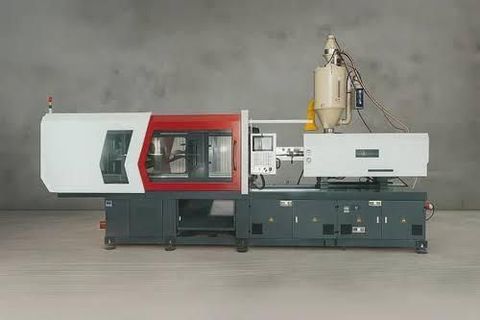
The process involves melting PET resin, injecting it into a precision mold, and cooling it into a specific shape. Understanding PET preform molding facts about materials, design, and manufacturing processes helps explain how manufacturers produce consistent containers for beverages, food packaging, household products, and other applications.
Context – PET Preform Molding Materials, Design, and Manufacturing
PET preform molding is an injection molding process that creates an intermediate product used in stretch blow molding. A preform resembles a small, thick-walled tube with a finished neck and thread structure. During the next manufacturing stage, the preform is reheated and stretched into a bottle using compressed air.
PET was developed as a useful polyester material for fibers, films, and packaging. Its combination of mechanical strength, transparency, and barrier properties has made it widely used in container manufacturing. PET preforms allow manufacturers to control the shape, weight, and dimensions of containers before the final bottle is formed.
The main stages of PET preform manufacturing include:
Resin preparation and drying
Injection molding and cavity filling
Cooling and controlled solidification
Preform ejection and inspection
Storage before stretch blow molding
Moisture control is particularly important because PET can degrade during high-temperature processing when excessive moisture is present. This degradation may reduce the material's molecular weight and affect the strength and clarity of the finished product.
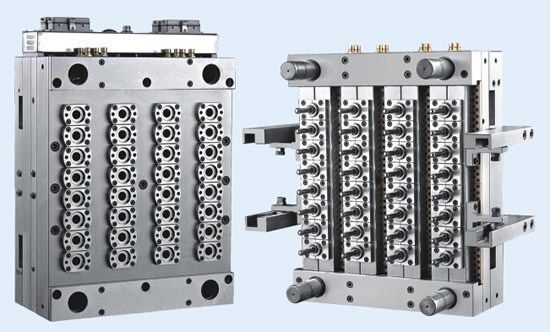
Mold design also plays an essential role. Mold cavities, cooling channels, gates, and neck finishes must be engineered carefully to support consistent production. The dimensions of the preform determine how material is distributed when it is stretched into the final container.
Importance – Why PET Preform Molding Matters
PET preform molding affects packaging quality, production efficiency, material usage, and product protection. A well-designed preform helps create containers with consistent wall thickness, reliable neck dimensions, and suitable mechanical performance.
The process is important to several industries, including:
Beverage manufacturing, including bottled water and carbonated drinks
Food packaging for selected edible products
Personal care and household packaging
Pharmaceutical packaging, where material suitability and cleanliness are essential
Packaging manufacturers that supply different bottle formats
Preform weight and geometry influence the properties of the finished bottle. If the material distribution is uneven, some areas may become too thin during stretch blow molding. This can affect impact resistance, stability, and the ability of a container to withstand internal pressure.
The following table summarizes major manufacturing factors and their effects.
Manufacturing factor | Purpose | Possible issue if poorly controlled |
|---|---|---|
Resin moisture | Supports material integrity | Reduced molecular weight |
Melt temperature | Enables proper material flow | Degradation or incomplete filling |
Injection pressure | Fills the mold cavities | Short shots or flash |
Cooling time | Stabilizes preform geometry | Warping or deformation |
Mold temperature | Influences cooling and crystallization | Haze or inconsistent quality |
Preform weight | Controls material distribution | Weak or unnecessarily heavy bottles |
Quality checks commonly examine dimensions, weight, visual appearance, transparency, and neck finish accuracy. Additional tests may evaluate top load, impact resistance, pressure performance, and suitability for the intended packaging application.
Recent Updates – Trends and Developments in PET Preform Manufacturing
PET preform manufacturing continues to develop through improvements in process monitoring, mold engineering, energy management, and material recovery. These developments aim to improve consistency while reducing unnecessary material use and production waste.
One important trend is the use of automated inspection systems. Cameras and sensors can identify visible defects, dimensional variations, contamination, and other irregularities. Automated systems can also collect production data, helping operators identify changes before they result in large batches of defective preforms.
Another development is improved mold cooling. Carefully designed cooling channels help remove heat more evenly from each cavity. Consistent cooling can support shorter cycle times, stable dimensions, and better control of the manufacturing process.
Manufacturers are also exploring lightweight preform designs. Reducing preform weight can decrease the amount of PET needed for each container, provided the finished package continues to meet its performance requirements. This requires careful testing because excessive lightweighting may weaken the bottle or affect its ability to withstand handling and transport.
Recycled PET, commonly called rPET, is another significant area of development. Its use depends on the intended application, available material quality, processing conditions, and applicable regulations. Food-contact packaging requires particular attention to contamination control and approved recycling processes.
Current areas of technical development include:
Digital monitoring of injection pressure and temperature
Improved mold cavity balancing
More precise material dosing
Better control of recycled PET quality
Energy-efficient heating, cooling, and machine operation
These developments do not eliminate the need for regular maintenance, material testing, and process validation. Their effectiveness depends on equipment design, operating conditions, and the required quality standards.
Laws or Policies – PET Packaging Regulations and Standards
PET preform manufacturing is affected by regulations covering food-contact materials, packaging waste, recycling, chemical safety, and manufacturing quality. Requirements differ by country and by the intended use of the finished container.
In the United States, the Food and Drug Administration (FDA) regulates food-contact substances under applicable provisions of federal food law. Manufacturers must determine whether the PET resin, additives, colorants, and recycled materials are suitable for their intended food-contact conditions.
In the European Union, Regulation (EC) No 1935/2004 establishes general requirements for materials intended to come into contact with food. Regulation (EU) No 10/2011 sets specific requirements for plastic food-contact materials, including applicable restrictions and migration limits. Recycled plastic used for food contact may also be subject to Regulation (EU) 2022/1616.
In India, relevant requirements may include applicable Food Safety and Standards Authority of India (FSSAI) regulations for packaging materials, alongside plastic waste management rules and other applicable standards.
The following references help explain the regulatory framework.
Organization or regulation | Main area of relevance |
|---|---|
US FDA | Food-contact materials and applicable authorizations |
EU Regulation 1935/2004 | General food-contact material safety |
EU Regulation 10/2011 | Plastic food-contact materials |
EU Regulation 2022/1616 | Recycled plastic materials intended for food contact |
FSSAI | Food packaging requirements in India |
ISO standards | Relevant quality, testing, and management practices |
Manufacturers should verify the current legal requirements for their market and application. Compliance may involve material documentation, migration testing, traceability, hygiene controls, and records demonstrating that packaging is suitable for its intended use.
Tools and Resources – PET Preform Molding Knowledge
Several technical resources help engineers, students, and manufacturing teams understand PET preform molding, troubleshoot defects, and assess packaging performance.
Useful resources include:
FDA food-contact substance information for understanding US requirements
European Commission food-contact materials guidance for EU regulatory information
FSSAI regulations and packaging guidance for Indian requirements
ISO publications for relevant quality management and testing standards
Polymer supplier technical data sheets for PET drying, processing temperatures, and material characteristics
Mold design and injection molding references for understanding gate design, cooling systems, and cavity performance
Basic calculations also support preform design. Material usage can be estimated from the preform's mass and the number of units produced. For example, producing 10,000 preforms weighing 20 grams each requires 200 kilograms of PET before accounting for rejected parts, process losses, or material recovery.
Engineers can also compare preform weights, dimensions, and wall thicknesses when evaluating lightweight designs. However, calculations alone cannot establish whether a bottle is suitable for its intended use. Physical testing and process validation remain necessary.
FAQs – PET Preform Molding Facts
1. What is PET preform molding?
PET preform molding is an injection molding process that produces shaped PET components. These components are subsequently reheated and expanded into bottles or other containers through stretch blow molding.
2. Which materials are used in PET preform manufacturing?
The main material is polyethylene terephthalate resin. Depending on the application, manufacturers may use virgin PET, appropriately processed recycled PET, or permitted blends. Material selection must consider strength, clarity, processing behavior, and regulatory suitability.
3. Why is PET resin drying important?
PET absorbs moisture from its surroundings. Excessive moisture during melt processing can cause hydrolytic degradation, reducing molecular weight and potentially affecting mechanical performance and product quality.
4. What are common PET preform molding defects?
Common defects include short shots, flash, bubbles, haze, black specks, dimensional variations, and uneven material distribution. Potential causes include incorrect processing conditions, contamination, moisture, mold problems, or inconsistent cooling.
5. How does preform design influence bottle quality?
Preform weight, length, wall thickness, neck dimensions, and material distribution influence how the preform stretches. Proper design helps achieve the required bottle strength, clarity, dimensional consistency, and packaging performance.
Conclusion – Understanding PET Preform Molding
PET preform molding combines material science, mold engineering, injection processing, and quality control to produce components used in modern packaging. Resin preparation, temperature management, cooling, and preform geometry all influence the quality of the finished container.
Manufacturers and packaging professionals can improve their understanding of the process by studying material properties, monitoring production variables, and conducting appropriate performance tests. Awareness of applicable food-contact and recycling regulations is equally important when developing PET packaging for different markets.
Continued developments in automation, mold design, recycled PET processing, and lightweight packaging are shaping the future of PET preform manufacturing. A sound understanding of these fundamentals provides a useful foundation for evaluating manufacturing processes and packaging performance.