Hospital Equipment Insights: Understanding Uses, Features, and Roles
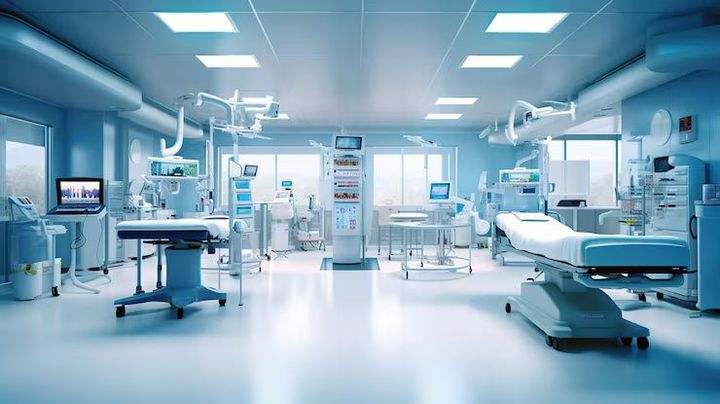
Hospital equipment plays an important role in modern healthcare by helping medical teams examine patients, monitor health conditions, support treatment, and maintain safe clinical environments.
From basic examination tools to advanced imaging and monitoring systems, each type of equipment has a specific purpose within patient care.
Understanding hospital equipment, its features, uses, and maintenance requirements can help patients, caregivers, students, and healthcare workers better understand how clinical environments operate. Equipment selection and use generally depend on factors such as patient needs, clinical procedures, safety requirements, and applicable regulations.
Context
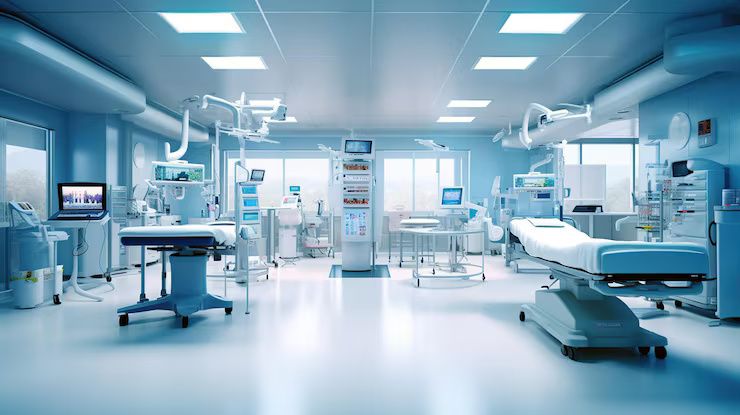
Hospital equipment refers to the wide range of devices, instruments, machines, and systems used in healthcare facilities. These may support diagnosis, monitoring, treatment, rehabilitation, surgery, emergency care, sterilization, and general patient management.
The development of hospital equipment has progressed alongside medical science and engineering. Earlier healthcare environments relied heavily on basic examination instruments, while modern hospitals may use computerized monitoring systems, digital imaging technologies, automated laboratory instruments, and connected medical devices.
Common categories include:
| Equipment Category | Typical Purpose | Examples |
|---|---|---|
| Diagnostic equipment | Identifying or evaluating health conditions | X-ray, ultrasound, CT systems |
| Monitoring equipment | Observing patient status | ECG, pulse oximeter, patient monitor |
| Treatment equipment | Supporting medical treatment | Infusion pump, dialysis system |
| Surgical equipment | Supporting procedures | Surgical lights, electrosurgical units |
| Emergency equipment | Supporting urgent care | Defibrillator, emergency monitor |
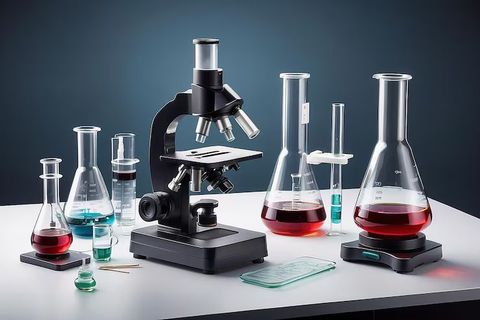
| Laboratory equipment | Testing biological samples | Analyzers, centrifuges |
| Sterilization equipment | Reducing contamination risks | Autoclaves, sterilizers |
| Patient-care equipment | Supporting daily clinical care | Hospital beds, examination tables |
Hospital equipment can be simple and manually operated or highly computerized. Some devices are used directly with patients, while others support healthcare activities behind the scenes.
The purpose of each device should be clearly understood before it is used. Instructions, technical specifications, training requirements, and institutional procedures help healthcare personnel use equipment appropriately.
Importance
Hospital equipment matters because accurate diagnosis, continuous monitoring, and appropriate treatment often depend on reliable medical devices. Equipment can help healthcare professionals collect information about a patient's condition and respond to changes.
For example, a patient monitor can display measurements such as heart rate, blood pressure, oxygen saturation, and respiratory rate. Imaging equipment can help clinicians examine internal structures, while laboratory analyzers can provide information from blood or other biological samples.
Different groups are affected by hospital equipment in different ways:
- Patients depend on appropriate equipment for many clinical procedures.
- Doctors and nurses use equipment to assess and monitor patients.
- Laboratory professionals rely on analytical instruments for testing.
- Biomedical engineers help maintain equipment performance and safety.
- Hospital administrators coordinate equipment management and documentation.
- Technicians may inspect, calibrate, repair, or test applicable devices.
Equipment safety is particularly important. Incorrect operation, inadequate maintenance, damaged components, or unsuitable environmental conditions can affect device performance.
Hospitals commonly establish procedures covering equipment inspection, cleaning, preventive maintenance, calibration where applicable, user training, incident reporting, and documentation.
Recent Updates
Hospital equipment continues to develop through improvements in digital technology, sensors, connectivity, automation, and data management. One important trend is the increasing use of connected medical devices that can communicate with hospital information systems.
Artificial intelligence is also being explored in areas such as medical imaging, clinical decision support, patient monitoring, and workflow analysis. These applications are intended to assist healthcare professionals rather than remove the need for clinical judgment.
Another development is the growth of remote monitoring technologies. Certain devices can collect health information outside traditional clinical settings and transmit relevant data to authorized healthcare teams.
Important areas of development include:
- Wireless and connected patient monitoring
- Digital imaging and automated image analysis
- Smart infusion and medication-management technologies
- Portable diagnostic equipment
- Automated laboratory systems
- Remote patient monitoring
- Cybersecurity for connected medical devices
- Energy-efficient and electronically controlled equipment
Interoperability is another important consideration. When devices and information systems can exchange data appropriately, healthcare organizations may be able to reduce duplicate data entry and improve information flow.
At the same time, connected equipment introduces cybersecurity and privacy considerations. Hospitals need appropriate access controls, software management, network protection, and procedures for responding to security incidents.
Laws or Policies
Hospital equipment is subject to regulatory requirements that vary by country and sometimes by region. These requirements can address medical-device classification, safety, manufacturing, clinical evaluation, registration, labeling, post-market monitoring, and reporting of adverse events.
In the United States, the Food and Drug Administration regulates medical devices through different regulatory pathways depending on the device and its risk classification. The FDA also provides guidance concerning areas such as device reporting, quality systems, and cybersecurity.
In the European Union, medical devices are primarily governed by the Medical Devices Regulation, commonly known as Regulation (EU) 2017/745. The framework includes requirements concerning safety, performance, conformity assessment, clinical evidence, and post-market surveillance.
India has its own medical-device regulatory framework. The Central Drugs Standard Control Organisation, or CDSCO, oversees medical devices under the applicable provisions of Indian law and the Medical Devices Rules, 2017.
Hospitals may also follow internal policies covering:
- Equipment inspection and acceptance
- Preventive maintenance
- Calibration and performance checks
- Electrical and environmental safety
- Cleaning and infection-control procedures
- Staff training and competency
- Equipment incident documentation
Regulatory requirements can change, so healthcare organizations should consult the applicable government authority and current regulations rather than relying on outdated information.
Tools and Resources
Several organizations provide educational and regulatory resources related to hospital equipment. These resources can help healthcare professionals, students, administrators, and researchers understand equipment requirements and safety considerations.
Useful resources include:
- FDA medical-device information and guidance
- CDSCO medical-device regulations and notices
- European Commission medical-device information
- World Health Organization publications on medical devices
- International Electrotechnical Commission standards information
- Hospital equipment maintenance records and checklists
- Institutional equipment-management procedures
- Manufacturer technical documentation and user manuals
Hospitals may also use asset-management systems to record equipment identification numbers, maintenance schedules, inspection results, location, and operational status.
Training materials can help users understand correct operation, warning indicators, cleaning procedures, and emergency steps. Equipment manuals should be consulted for device-specific instructions because operating procedures can vary considerably between models and applications.
FAQs
What is hospital equipment?
Hospital equipment includes medical devices, instruments, machines, and supporting systems used for diagnosis, monitoring, treatment, surgery, emergency care, laboratory testing, sterilization, and patient care.
What are the main types of hospital equipment?
Major categories include diagnostic equipment, patient-monitoring devices, treatment systems, surgical equipment, emergency equipment, laboratory instruments, sterilization equipment, and general patient-care equipment.
Why is hospital equipment maintenance important?
Maintenance helps ensure that applicable equipment continues to function as intended and can identify potential problems before they affect clinical activities. Maintenance requirements vary by device and manufacturer instructions.
What recent technologies are changing hospital equipment?
Connected monitoring devices, digital imaging, artificial intelligence applications, remote monitoring, automation, and improved cybersecurity technologies are influencing the development and management of modern hospital equipment.
Who regulates hospital equipment?
Regulation depends on the country. For example, the FDA regulates medical devices in the United States, CDSCO oversees applicable medical-device regulation in India, and the European Union uses the Medical Devices Regulation framework.
Conclusion
Hospital equipment supports many aspects of healthcare, from basic examinations and patient monitoring to advanced diagnosis and treatment. Understanding its categories, features, roles, maintenance needs, and regulatory environment provides useful context for patients, healthcare workers, students, and administrators.
Technology continues to expand the capabilities of medical equipment while creating new considerations involving connectivity, data protection, cybersecurity, training, and regulatory compliance.
Appropriate equipment management combines correct operation, regular assessment, documentation, maintenance, and user education. These practices help healthcare organizations maintain an organized and safety-focused clinical environment.
For current regulatory information, organizations should consult the relevant national authority and applicable technical standards. Device-specific instructions should always come from the appropriate technical documentation and trained healthcare personnel.