Industrial Machine Components Guide
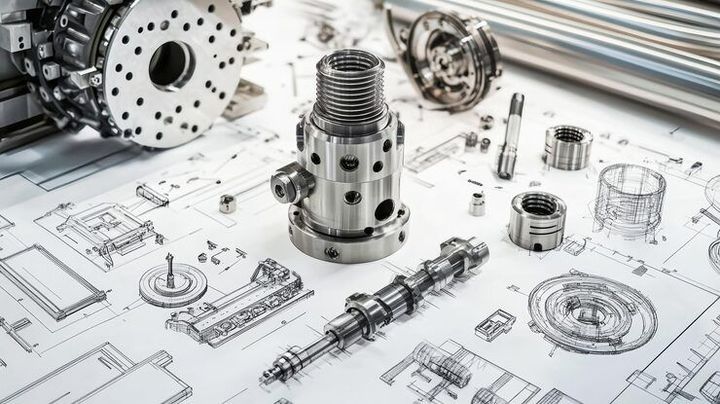
Industrial machine components are the individual parts that help machines perform specific tasks in manufacturing, construction, packaging, food processing, and other industries.
Understanding industrial machine components helps readers learn how mechanical systems work, how different parts interact, and why proper maintenance is important for reliable equipment operation.
An industrial machine components guide explains the purpose, functions, materials, and maintenance requirements of essential machine parts. From bearings and gears to motors, shafts, sensors, and control systems, each component contributes to the performance, accuracy, and safety of industrial equipment.
Context – Understanding Industrial Machine Components
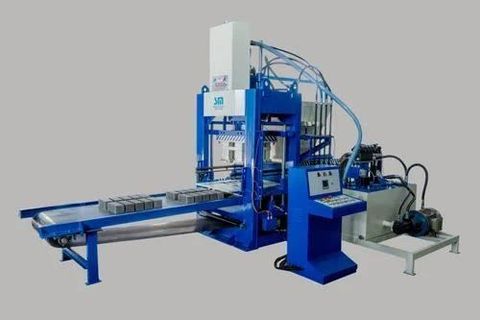
Industrial machine components are mechanical, electrical, hydraulic, pneumatic, or electronic parts used to build and operate industrial equipment. These components work individually or together to transfer power, control movement, support loads, and perform repetitive operations.
As industrial manufacturing developed, machines became more complex and required parts designed for specific operating conditions. Modern equipment combines traditional mechanical components with electronic controls and digital monitoring systems.
The main categories of industrial machine components include:
Mechanical components: shafts, gears, bearings, belts, pulleys, couplings, and fasteners.
Electrical components: motors, switches, wiring, relays, and circuit protection devices.
Hydraulic components: pumps, cylinders, valves, hoses, and pressure regulators.
Pneumatic components: compressors, air cylinders, filters, and control valves.
Electronic components: sensors, controllers, encoders, and programmable logic controllers (PLCs).
Each category performs a different function. For example, gears transfer rotational motion, bearings reduce friction, and sensors provide information about temperature, position, pressure, or speed.
Selecting appropriate components requires an understanding of machine design, operating conditions, load requirements, environmental exposure, and compatibility with existing equipment.
Importance – Why Industrial Machine Components Matter
Industrial machine components influence machine accuracy, production consistency, energy use, operating safety, and equipment lifespan. A damaged or incorrectly selected part can affect the performance of an entire production system.
These components matter to several groups, including machine operators, maintenance technicians, mechanical engineers, production managers, and equipment manufacturers.
Their importance can be understood through the following factors.
Operational reliability: Suitable components help machines operate consistently under expected conditions.
Workplace safety: Properly designed guards, brakes, switches, and control devices help reduce exposure to mechanical hazards.
Product quality: Accurate bearings, guides, actuators, and sensors support consistent manufacturing processes.
Energy efficiency: Efficient motors, correctly aligned drives, and well-maintained transmission systems can reduce unnecessary energy use.
Maintenance planning: Regular inspections help identify wear, vibration, overheating, and other early warning signs.
Equipment compatibility: Correct dimensions, tolerances, materials, and ratings help components work together as intended.
For example, a worn bearing in a conveyor system may increase friction, generate heat, and affect shaft alignment. If the issue remains unaddressed, it can damage connected parts and interrupt production.
Understanding these relationships allows maintenance teams to identify problems earlier and plan inspections according to equipment requirements.
Recent Updates – Trends and Developments
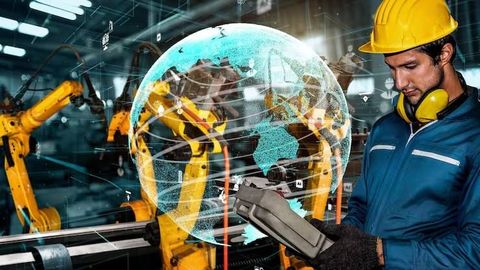
Industrial machine components continue to evolve alongside automation, digital manufacturing, and energy-efficiency initiatives. Current developments focus on improving equipment visibility, reducing unexpected failures, and supporting more flexible production systems.
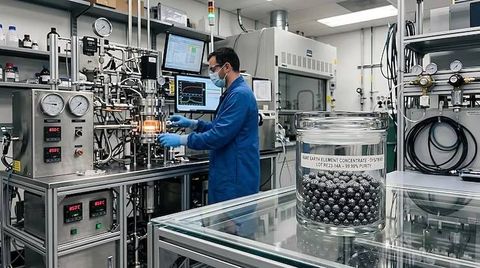
One important trend is the integration of sensors into machinery. Sensors can measure vibration, temperature, pressure, speed, and other operating conditions. When connected to suitable monitoring systems, this information helps technicians identify changes that may indicate developing faults.
Another development is predictive maintenance. Instead of relying only on fixed inspection intervals, predictive maintenance uses operating data and analytical methods to estimate when equipment may require attention. Its effectiveness depends on data quality, sensor placement, suitable models, and accurate interpretation.
Other notable developments include:
Smart components that communicate operating information to control systems.
Variable-frequency drives that adjust motor speed to match process requirements.
Improved bearing materials and surface treatments designed for particular loads and environments.
Modular components that simplify equipment configuration and replacement.
Digital twins and simulation tools used to study machine performance before physical changes are implemented.
Industrial communication systems that connect sensors, controllers, and production equipment.
Additive manufacturing is also used to produce certain specialized parts and prototypes. However, its suitability depends on material properties, required precision, operating loads, certification requirements, and the intended application.
These technologies can improve equipment monitoring and design, but they do not eliminate the need for physical inspections, qualified maintenance, or compliance with applicable safety requirements.
Laws or Policies – Relevant Industrial Regulations
Industrial machine components may be subject to safety, electrical, environmental, and product-specific requirements. The applicable rules depend on the country, industry, machine type, and intended use.
In the United States, the Occupational Safety and Health Administration (OSHA) establishes workplace requirements covering areas such as machine guarding, hazardous energy control, and electrical safety. OSHA regulations in 29 CFR 1910.212 address general machine guarding, while 29 CFR 1910.147 covers the control of hazardous energy during servicing and maintenance.
Relevant standards and regulatory frameworks include:
OSHA workplace safety regulations in the United States.
Applicable electrical safety codes and standards for industrial equipment.
ISO standards covering areas such as mechanical vibration, quality management, and machinery safety.
Machinery and electrical equipment requirements applicable in the European Union.
National regulations concerning workplace safety, industrial emissions, and electrical installations.
ISO standards are generally voluntary unless incorporated into applicable legislation, contracts, or other binding requirements. Their relevance varies by subject and jurisdiction.
In India, industrial equipment may fall under applicable requirements established through occupational safety legislation, electrical regulations, the Bureau of Indian Standards (BIS), and relevant sector-specific rules. The exact obligations depend on the equipment and circumstances.
Manufacturers and operators should verify current requirements through official regulatory publications and qualified safety professionals. Component selection alone does not establish that an entire machine complies with the law.
Tools and Resources – Industrial Machine Components Guide
Technical references and engineering tools help users identify components, evaluate specifications, and plan maintenance activities. Reliable information should come from applicable standards, equipment documentation, and established technical references.
Useful resources include:
Manufacturer datasheets: Explain dimensions, materials, load ratings, operating temperatures, and installation requirements.
Engineering handbooks: Provide formulas and reference information for shafts, gears, bearings, and mechanical systems.
CAD software: Supports component drawings, dimensional checks, and assembly design.
Condition-monitoring tools: Measure vibration, temperature, pressure, and other operating parameters.
Maintenance checklists: Record inspections, lubrication, adjustments, repairs, and replacement history.
Engineering calculators: Help estimate shaft speed, torque, gear ratios, and mechanical power.
Common Industrial Machine Components at a Glance
| Component | Primary function | Common applications |
|---|---|---|
| Bearings | Support rotating or moving parts | Motors, conveyors, pumps |
| Gears | Transfer motion and torque | Gearboxes, industrial drives |
| Shafts | Transmit rotational power | Motors, mixers, machine tools |
| Couplings | Connect rotating shafts | Pumps, compressors, drives |
| Electric motors | Convert electrical energy into motion | Production lines, fans, conveyors |
| Hydraulic cylinders | Produce linear force | Presses, lifting equipment |
| Sensors | Measure operating conditions | Automated production systems |
| PLCs | Control industrial processes | Packaging and assembly equipment |
When comparing components, review the following specifications:
Dimensions and mounting arrangements.
Maximum loads, speeds, and operating pressures.
Material compatibility and environmental conditions.
Lubrication requirements and inspection intervals.
Applicable safety standards and equipment documentation.
A structured maintenance checklist should identify the component, inspection date, observed condition, corrective action, and responsible technician. This creates a useful record for tracking recurring problems and planning preventive work.
FAQs – Industrial Machine Components Guide
1. What are industrial machine components?
Industrial machine components are the parts used to build and operate industrial equipment. Examples include gears, bearings, shafts, motors, valves, sensors, and controllers.
2. Which components are commonly used in manufacturing?
Bearings, gears, electric motors, couplings, belts, fasteners, sensors, and control systems are widely used. The exact combination depends on the machine and its purpose.
3. How can machine component maintenance improve reliability?
Regular inspection, correct lubrication, alignment checks, cleaning, and monitoring help identify wear and developing faults. Maintenance procedures should follow equipment documentation and applicable safety requirements.
4. What factors matter when selecting industrial machine components?
Important factors include load capacity, operating speed, dimensions, material properties, temperature, exposure to moisture or chemicals, compatibility, and regulatory requirements.
5. How does automation affect industrial machine components?
Automation connects mechanical parts with sensors, motors, controllers, and monitoring systems. This allows equipment to perform controlled operations and provides information that can support process monitoring and maintenance planning.
Conclusion – Key Insights on Industrial Machine Components
Industrial machine components form the foundation of modern manufacturing and industrial operations. Understanding their functions, specifications, compatibility, and maintenance requirements helps engineers and operators improve reliability, support workplace safety, and maintain consistent equipment performance.
As automation and digital monitoring develop, component knowledge remains essential. Combining accurate technical documentation, appropriate engineering tools, regular inspections, and compliance with applicable regulations supports informed decisions throughout the equipment lifecycle.
A practical approach begins with identifying the components in a machine, reviewing their operating limits, and following documented inspection and maintenance procedures. These steps provide a clear foundation for understanding industrial machinery and managing its performance responsibly.