Filling Machine Advice: Learn About Equipment Types, Operation, and Maintenance
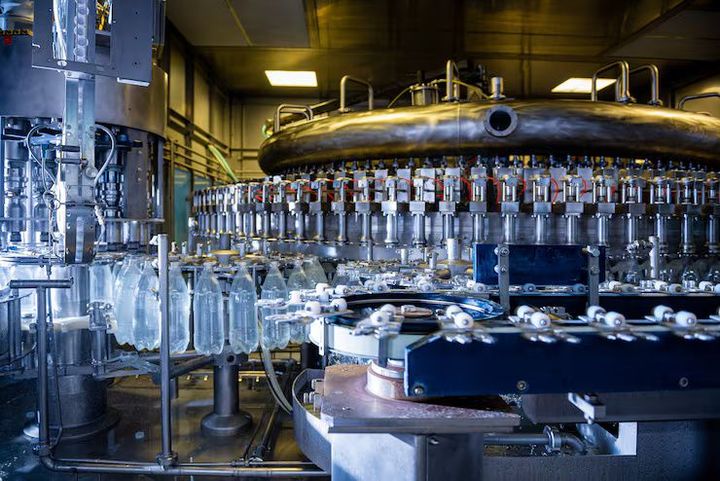
Filling machines are used to place measured quantities of liquids, powders, creams, granules, and other materials into containers.
Understanding filling machine types, operating principles, and maintenance practices can help operators select appropriate equipment and maintain consistent production processes.
This filling machine advice guide explains common equipment designs, how filling systems work, important maintenance practices, recent developments, and regulatory considerations. The information is intended for general educational purposes and applies across several industries.
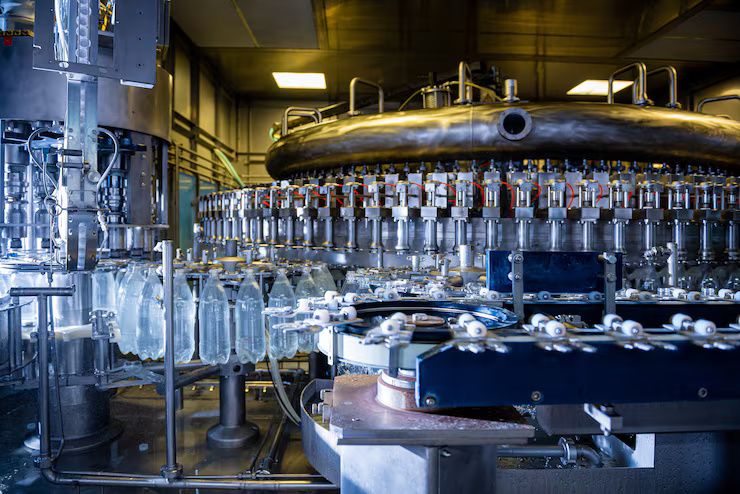
Context
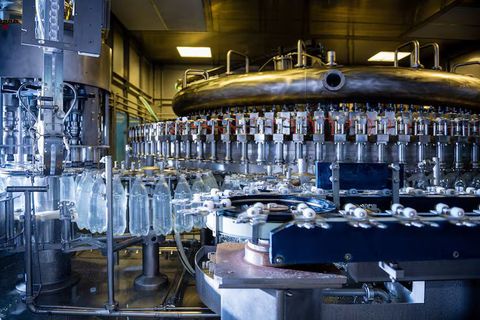
A filling machine is equipment designed to transfer a predetermined quantity of a product into a container. Depending on the material and application, filling systems can handle bottles, jars, pouches, tubes, cans, and other container formats.
The basic process usually involves positioning a container, measuring the material, transferring it through a filling mechanism, and moving the filled container to the next production stage. Some systems perform these steps manually, while automated equipment can coordinate them with sensors and control systems.
Common filling machine types include:
| Filling Machine Type | Typical Materials | General Principle |
|---|---|---|
| Liquid filler | Water, oils, beverages | Measures and dispenses liquids |
| Piston filler | Creams, sauces, pastes | Uses piston movement for volume control |
| Gravity filler | Thin liquids | Uses controlled gravitational flow |
| Pump filler | Liquids and viscous materials | Uses a pump to transfer material |
| Auger filler | Powders | Uses a rotating screw mechanism |
| Volumetric filler | Liquids, powders, granules | Measures a defined volume |
| Overflow filler | Thin liquids | Uses controlled overflow to create consistent levels |
The appropriate design depends on viscosity, particle size, container shape, required accuracy, production speed, and material characteristics.
Filling equipment may contain components such as hoppers, pumps, valves, nozzles, sensors, conveyors, control panels, and programmable controllers. Each component contributes to accurate and repeatable operation.
Importance
Filling accuracy is important because the amount placed into each container affects product consistency, packaging performance, material usage, and regulatory compliance. Inaccurate filling can create variations between containers and may require additional inspection or process adjustments.
Filling machines also affect workplace efficiency. Automation can reduce repetitive manual handling and provide consistent movement between different stages of a packaging process.
This equipment is relevant to several sectors, including:
- Food and beverage production
- Pharmaceutical manufacturing
- Cosmetics and personal-care products
- Chemical processing
- Household products
- Agricultural products
- Industrial materials
Operators need to understand the properties of the material being processed. A thin liquid may require different equipment from a thick cream, while powders can require specialized feeding mechanisms to control dust and improve measurement consistency.
Container characteristics also matter. The diameter, height, opening size, material, and shape can influence nozzle positioning and filling behavior.
Correct machine setup is another important factor. Operators generally need to verify filling volume, nozzle height, container positioning, conveyor movement, and control-system settings before regular operation.
Recent Updates
Filling technology continues to develop through automation, electronic controls, improved sensors, and data monitoring. Modern systems increasingly combine mechanical equipment with digital controls to improve process visibility.
One important development is the wider use of programmable logic controllers and human-machine interfaces. These systems can allow operators to monitor settings, adjust operating parameters, and identify certain machine conditions.
Sensors can also help detect container presence, liquid levels, machine movement, and other process conditions. Such monitoring can reduce errors caused by incorrect container positioning or interrupted material flow.
Another development is greater attention to hygienic equipment design. In food, beverage, pharmaceutical, and personal-care environments, equipment may use materials and construction methods intended to support cleaning and contamination control.
Manufacturers are also developing more flexible filling systems. Changeover features can allow equipment to accommodate different container dimensions or product characteristics with fewer manual adjustments.
Important areas of current development include:
- Automated container detection
- Electronic filling controls
- Digital production monitoring
- Improved dosing accuracy
- Hygienic machine construction
- Faster format changeovers
- Integration with broader production systems
These developments do not eliminate the need for trained operators. Machine settings still need to be selected according to the material, container, and applicable process requirements.
Laws or Policies
Filling machine operations can be affected by several categories of regulations. The exact requirements depend on the country, industry, product, and material being processed.
For food-related applications, businesses may need to follow applicable food safety, hygiene, labeling, and measurement requirements. Pharmaceutical operations can be subject to additional manufacturing and quality-control requirements.
In the United States, organizations such as the U.S. Food and Drug Administration establish requirements relevant to regulated food, pharmaceutical, cosmetic, and other products. Workplace safety requirements may also apply to machine operation.
In the European Union, machinery safety and product-specific requirements can affect equipment design and operation. Measurement regulations may also apply when a filling process determines declared quantities.
In India, relevant requirements can involve organizations and frameworks such as the Food Safety and Standards Authority of India, Legal Metrology authorities, and applicable occupational safety rules.
Operators should therefore check the regulations applicable to their specific product and location rather than relying on general machine guidance.
Safety procedures are particularly important around moving components, heated materials, pressurized systems, electrical equipment, and chemical substances. Machine guards, emergency stops, lockout procedures, protective equipment, and documented operating instructions may be required depending on the equipment and workplace.
Tools and Resources
Several practical resources can help operators understand filling equipment and maintain consistent operation.
Manufacturer manuals are among the most useful resources because they normally contain machine-specific instructions for setup, cleaning, lubrication, adjustment, troubleshooting, and component replacement.
Technical documentation can also help explain individual components such as pumps, valves, sensors, pneumatic systems, and programmable controllers.
Useful resources include:
- Machine operation manuals
- Preventive maintenance checklists
- Calibration records
- Cleaning and sanitation procedures
- Production monitoring sheets
- Equipment inspection forms
- Regulatory agency websites
- Technical standards and measurement references
A basic maintenance checklist can include several routine observations:
| Inspection Area | What to Check |
|---|---|
| Nozzles | Blockage, dripping, alignment |
| Valves | Leakage and movement |
| Pumps | Flow consistency and unusual noise |
| Sensors | Detection and positioning |
| Conveyor | Alignment and movement |
| Hoppers | Cleanliness and material buildup |
| Controls | Alarms and operating settings |
| Safety systems | Guards and emergency controls |
Preventive maintenance should follow the equipment manufacturer's instructions and the operating environment. Cleaning schedules should consider the material being processed and any applicable hygiene requirements.
Calibration or verification of filling accuracy may also be appropriate at defined intervals. Records can help identify recurring deviations and support quality-control activities.
FAQs
What is a filling machine?
A filling machine is equipment that transfers a measured quantity of a material into a container. Different designs are available for liquids, powders, creams, pastes, granules, and other materials.
Which filling machine is suitable for liquids?
The appropriate liquid filling machine depends on viscosity, flow behavior, container characteristics, required accuracy, and production conditions. Gravity, pump, piston, and overflow systems are common approaches.
How does a filling machine maintain accuracy?
Accuracy can depend on the machine's measurement mechanism, product properties, nozzle configuration, operating settings, and calibration or verification procedures. Regular inspection can help identify changes in performance.
How often should filling equipment be maintained?
Maintenance frequency varies by machine design, operating hours, material, and manufacturer's instructions. Routine inspections may occur daily, while more detailed maintenance can follow weekly, monthly, or usage-based schedules.
What safety precautions are important?
Operators should follow the machine manual and workplace safety procedures. Guards, emergency controls, electrical precautions, cleaning procedures, and appropriate protective equipment should be used where applicable.
Conclusion
Filling machines provide controlled methods for placing measured quantities of materials into containers. Understanding equipment types, operating principles, machine settings, and maintenance practices helps support consistent and safe processes.
The right filling approach depends on the material, container, accuracy requirements, production environment, and applicable regulations. Regular inspection, appropriate cleaning, accurate measurement, and adherence to safety procedures remain important throughout the equipment's operating life.
Organizations should use machine-specific technical documentation and applicable regulatory guidance when establishing operating and maintenance procedures.
A well-documented maintenance program can also help identify recurring problems and support consistent equipment performance. Operators should always follow the instructions and safety requirements applicable to their particular filling system.