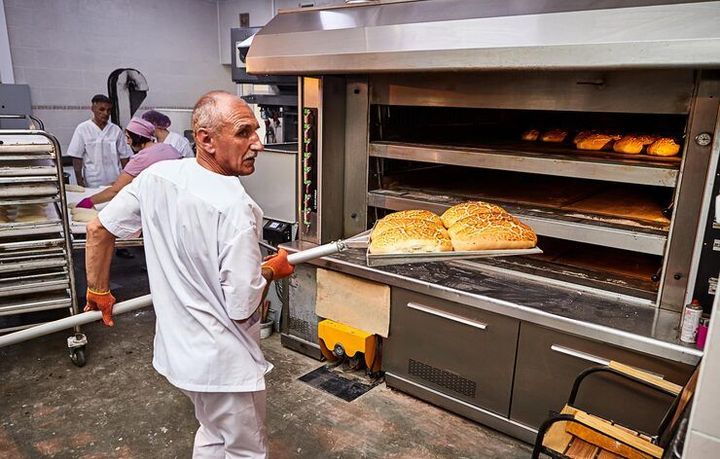
Learn Industrial Oven Basics, Components, Controls, and Working Methods
Industrial ovens are enclosed heating systems used across manufacturing and processing environments to heat, dry, cure, bake, preheat, or complete other controlled thermal processes.
Learning industrial oven basics helps readers understand how temperature, airflow, insulation, controls, and heating elements work together.
An industrial oven can vary considerably depending on its application, material, operating temperature, and production environment. Understanding industrial oven components, controls, and working methods provides a useful foundation for selecting appropriate operating procedures and maintaining consistent process conditions.
Context
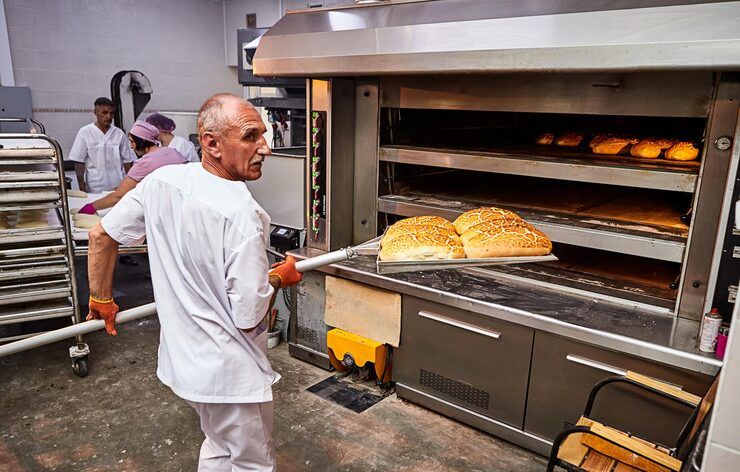
An industrial oven is a thermal processing system designed to provide controlled heat to materials or products. Unlike household ovens, industrial ovens are generally designed for continuous, batch, or specialized manufacturing processes and may operate across a wide range of temperatures.
Industrial ovens are used in industries such as food processing, pharmaceuticals, chemicals, electronics, automotive manufacturing, metal processing, composites, and general manufacturing. Their exact configuration depends on the material being processed and the required thermal cycle.
The basic working principle is relatively simple. A heating source raises the temperature inside an insulated chamber, while fans, ducts, or natural convection distribute heat. Sensors measure operating conditions, and a control system adjusts heating or airflow according to programmed settings.
Common industrial oven applications include:
- Drying moisture from materials
- Curing coatings, adhesives, and composites
- Baking and thermal processing
- Preheating components
- Heat treatment of selected materials
- Removing solvents or moisture under controlled conditions
The oven chamber is normally insulated to reduce heat loss and maintain a stable internal environment. Doors, seals, ventilation systems, exhaust arrangements, and safety mechanisms are also important parts of the overall design.
Importance
Understanding industrial oven basics matters because temperature uniformity and process control can directly affect the physical and chemical characteristics of processed materials. Incorrect temperature settings, inadequate airflow, or poor sensor placement can produce inconsistent results.
Industrial ovens also affect workplace safety. High temperatures, combustible materials, vapors, electrical equipment, and moving components can introduce hazards if appropriate controls are not implemented.
Several groups may need knowledge of industrial oven operation, including operators, maintenance personnel, engineers, process specialists, quality teams, and facility managers.
Key factors that influence oven performance include:
| Factor | General purpose |
|---|---|
| Heating system | Produces thermal energy |
| Insulation | Reduces unwanted heat transfer |
| Air circulation | Helps distribute heat |
| Temperature sensors | Measure chamber conditions |
| Controller | Regulates programmed temperatures |
| Exhaust system | Removes selected gases or vapors |
| Safety controls | Helps prevent hazardous operating conditions |
| Chamber | Contains the thermal process |
Temperature uniformity is particularly important when different areas of a chamber need to remain within a defined range. Airflow patterns, product loading, chamber geometry, and heating-element placement can all influence uniformity.
Energy use is another important consideration. Insulation quality, operating temperature, heating duration, door-opening frequency, airflow management, and oven loading can influence overall energy consumption.
Recent Updates
Industrial oven technology continues to develop around improved process monitoring, automation, energy management, and safety. Modern systems may combine digital controllers, programmable temperature profiles, data logging, and multiple sensors.
Industrial Internet of Things technologies are also being incorporated into some thermal processing environments. Connected sensors can collect information such as temperature, humidity, pressure, operating cycles, and equipment status.
Common developments include:
- Programmable temperature profiles
- Digital temperature controllers
- Electronic data logging
- Multiple-zone temperature monitoring
- Improved insulation materials
- Variable-speed airflow systems
- Automated loading and unloading arrangements
- Remote monitoring capabilities
- Energy-use monitoring
Another development is greater attention to thermal uniformity. Mapping tests can be used to determine how temperatures vary at different locations within an oven chamber under defined operating conditions.
For processes involving combustible solvents, coatings, or other potentially hazardous materials, ventilation and safety systems are particularly important. The design must account for the characteristics of the materials being processed and the applicable safety requirements.
Laws or Policies
Industrial oven requirements vary by country, industry, oven design, and application. There is no single global rule covering every industrial oven. Organizations generally need to identify the regulations and standards applicable to their specific process.
In the United States, workplace safety requirements may involve the Occupational Safety and Health Administration, while fire and combustion-related requirements can involve standards developed by organizations such as the National Fire Protection Association.
Electrical installations may also be subject to applicable electrical codes and workplace regulations. Ovens used for food, pharmaceutical, chemical, or other regulated processes can have additional requirements.
In India, industrial facilities may need to consider applicable occupational safety, factory, electrical, environmental, fire-safety, and state-specific requirements. The exact obligations depend on the facility, process, location, and materials involved.
Important areas to review include:
- Workplace thermal safety
- Electrical safety
- Fire prevention
- Combustible vapor management
- Ventilation requirements
- Environmental emissions
- Pressure-related hazards where applicable
- Emergency shutdown procedures
- Equipment inspection and documentation
Organizations should consult the current regulations and standards applicable to their facility rather than relying on a general checklist. Requirements can change according to the process and jurisdiction.
Tools and Resources
Several resources can help readers learn about industrial ovens and thermal processing. Manufacturer technical manuals, engineering references, safety standards, and regulatory publications can provide useful information about operating principles and requirements.
Temperature calculations are another useful learning area. Basic calculations can help explain heating rates, thermal loads, temperature differences, and approximate energy requirements.
Useful resources may include:
- Industrial oven operating manuals
- Temperature data-loggers
- Thermocouples and temperature sensors
- Temperature mapping equipment
- Energy-use monitoring instruments
- Engineering calculation tools
- Preventive maintenance checklists
- Regulatory publications
- Fire-safety guidance
- Electrical safety references
When evaluating an oven process, documentation should normally identify the required temperature range, heating duration, material characteristics, airflow requirements, ventilation conditions, and safety controls.
A maintenance checklist can also help organize routine inspections. Typical inspection areas include heating elements, sensors, fans, seals, electrical connections, insulation, exhaust components, alarms, and emergency shutdown mechanisms.
FAQs
What is an industrial oven?
An industrial oven is a controlled heating chamber used in manufacturing and processing applications. It can be designed for drying, curing, baking, preheating, heat treatment, or other thermal processes.
What are the main industrial oven components?
Common components include the chamber, heating elements or burners, insulation, fans, temperature sensors, controllers, ventilation or exhaust equipment, doors, seals, and safety controls. The exact configuration depends on the application.
How does an industrial oven control temperature?
Temperature sensors measure conditions inside the chamber and send information to a controller. The controller compares the measured temperature with the programmed target and adjusts the heating system as required.
What is temperature uniformity?
Temperature uniformity describes how consistently temperature is distributed throughout the usable area of an oven chamber. Good uniformity is important when materials require similar thermal conditions during processing.
What safety considerations apply to industrial ovens?
Important considerations can include thermal protection, electrical safety, ventilation, fire prevention, emergency shutdown systems, combustible-material management, and appropriate operating procedures. Requirements depend on the oven and its application.
Conclusion
Learning industrial oven basics provides a clearer understanding of how heating systems, chambers, airflow, sensors, controllers, and safety mechanisms work together. Proper process control can help maintain consistent thermal conditions and support safe operation.
Industrial oven technology continues to incorporate digital monitoring, automation, improved insulation, and energy-management features. Before operating or modifying an industrial oven, users should consult the equipment documentation and applicable regulations for their specific application.
A sound understanding of industrial oven components and working methods is useful for operators, engineers, maintenance teams, and other personnel involved in thermal processing. Regular inspection, accurate temperature measurement, and appropriate safety procedures remain important parts of responsible operation.